
The Barking Stopped—But Is Your Dog Really Okay?

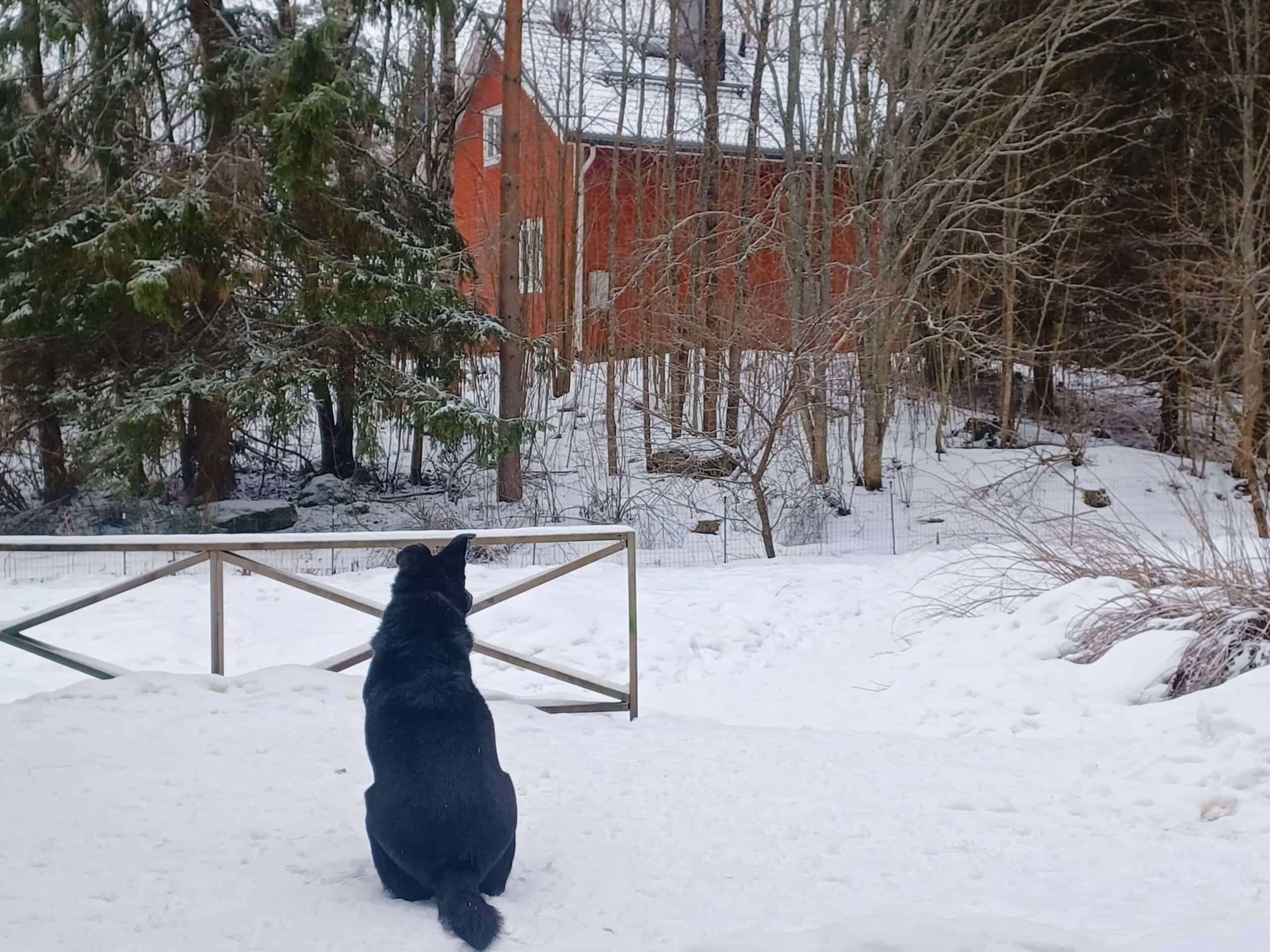
That sudden silence after your dog’s been barking frantically—it can feel like a relief. But those quiet moments might be more loaded than they seem.
Beneath the calm exterior, your dog’s body could still be flooded with stress, adrenaline, or anxiety. The barking may have stopped, but the emotions behind it often linger—and understanding what happens next is key to helping your dog recover and feel safe again.
Barking Is the Middle, Not the End
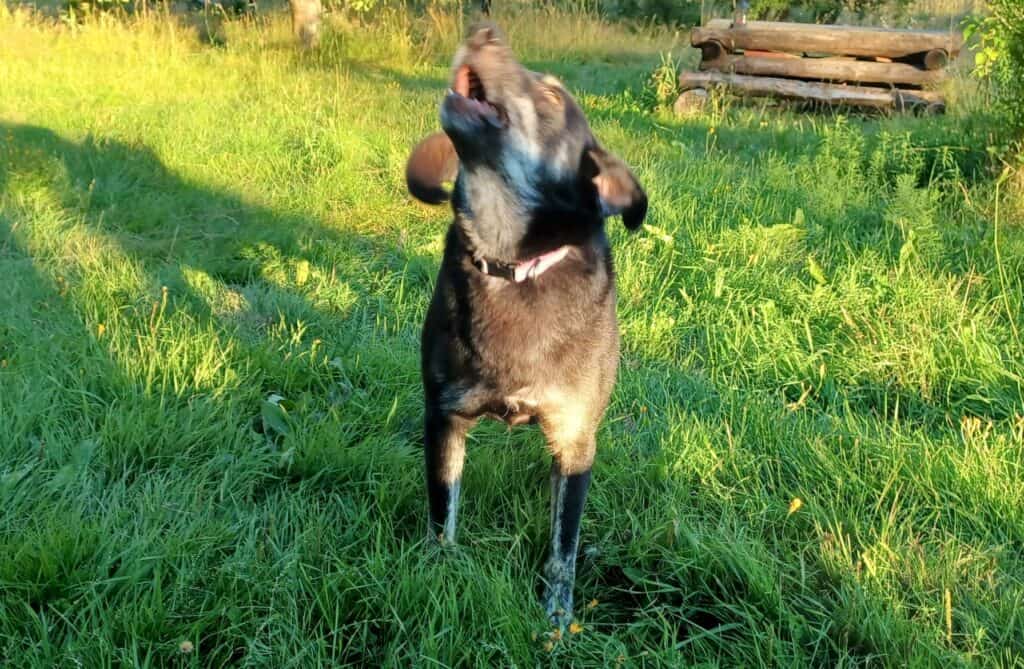
When our dogs bark, we tend to zero in on barking itself. It’s loud, disruptive, and emotionally charged. But barking isn’t the whole story—it’s actually the middle of a much longer arc.
Whether your dog is barking out of fear, excitement, frustration, or confusion, that outburst is often just the peak of a much longer emotional process. What we don’t always see—or know how to look for—is what comes after.
The Nervous System Doesn’t Switch Off Instantly
Here’s the thing: when a dog stops barking, their nervous system doesn’t magically reset. Their adrenaline, cortisol, and heart rate are still elevated. They might look quiet, but inside, they’re still flooded.
Think of it like this: You’ve just slammed on the brakes to avoid a car crash. You didn’t crash… but your body is still shaking, your heart is pounding, your muscles are tense, and you’re on high alert.
That’s your dog after the barking stops. But what happens next?
What the Body Says
After barking, many dogs don’t just settle—they enter a kind of emotional recovery mode. They might keep scanning the environment, showing signs of hypervigilance like flicking the ears or sudden head turns. Some dogs pace or pant heavily, while others shut down completely, freezing in place or withdrawing from interaction. You may see displacement behaviors—sniffing the ground, scratching, yawning, licking their lips—as they try to self-soothe.
And sometimes, they might even react to something seemingly unrelated later on, because they’re still carrying that residual stress. They’re working hard to regulate themselves, but it takes time—and often, they’re doing it alone while we assume they’re fine. They’re in recovery mode—and often, we don’t even notice it.
Trigger Stacking Is Still Happening
Here’s where it gets trickier: barking often comes as the result of trigger stacking—when multiple stressors, big or small, pile up until your dog hits a tipping point.
Even after the barking stops, those stress hormones are still flowing. Your dog might look fine on the outside, but inside, they’re still carrying the weight of everything that came before. That barking episode may have been just one layer in a much bigger picture.
And that’s exactly how you end up with what seems like a second “random” outburst later on—when really, the tank was already full. That’s often when dogs get labeled as “unpredictable,” but the truth is, the signs were there—we just didn’t see them.

The Risk of Ignoring the Recovery Window
Some dogs might genuinely feel relief once the trigger is gone, especially if they’ve had positive reinforcement to guide them toward calmer responses. With the right help from us, they can start learning how to regulate those big emotions. But there’s another side to it too. If barking is punished or shut down too quickly, a dog might not feel safe expressing themselves anymore. And if barking was their way of saying “I’m scared” or “something hurts,” and we don’t respond to that need, it can leave them feeling frustrated or unheard.
Barking can be a release—so if we take it away without addressing what’s underneath, we’re not helping them cope… we’re just pressing mute.
Barking as a Reinforced Behavior
It’s also worth remembering that barking can actually feel good to some dogs and is rewarding all on its own. Maybe it gets them attention—even if it’s the kind where you’re begging them to stop. Maybe it leads to something they want, like being let outside, getting their favorite toy, or making a stranger walk away.
Barking can also be emotionally satisfying, especially when a dog is feeling stressed or fired up. And for certain breeds, like herders or guardians, it’s just in their DNA.

After the Bark
So what should you do once your dog goes quiet? First, give them a bit of space and a sense of emotional safety—don’t rush them back into action.
Let them decompress in a calm environment, whether that’s through a slow, sniffy walk, some gentle enrichment like a puzzle toy, or just quiet time to rest and reset. Keep an eye on how long it takes them to come back to baseline—some dogs bounce back quickly, while others need more time.
When we listen to what happens after the bark, we stop managing noise… and start understanding needs. At the same time, if your dog’s silence feels sudden, unusual, or lasts longer than what seems typical for them, it’s always a good idea to check in with your vet.
Health and Behavioral Shifts That Affect Barking
If your dog suddenly stops barking altogether it can be a red flag, and it’s definitely worth looking into. Sometimes it’s something physical, like throat strain or hoarseness from barking too much. It could also be inflammation, an infection like laryngitis, or something more serious like a neurological issue or even a tumor affecting the vocal cords. As dogs get older, changes like hearing loss can also play a role.
And in some cases, especially for dogs who have been punished for barking, staying silent may feel like the safest option. Even a new or overstimulating environment can leave a dog feeling too overwhelmed to vocalize.
That kind of silence is easy to miss—but it’s often your dog’s way of saying they’re still not okay. If that sounds familiar, you might find my free guide helpful: 14 Steps to Help Your Fearful Dog Flourish is a quick cheat sheet loaded with practical tips.
