

Helping Your New Dog Settle In: What Every Adopter Should Know

Bringing home a rescue dog is an incredible experience—rewarding, heartwarming, life-changing. But it’s also important to understand what that moment feels like from the dog’s side. Because what seems like a happy new beginning for us can feel like total chaos for the dog.
No Control, No Context
Imagine being taken somewhere without warning. You don’t know where you’re going, why you’re there, or who these new people are. Everything around you—sounds, scents, routines, even the floor under your feet—is unfamiliar.
That’s exactly what a rehomed dog is going through. They’ve had no say in what’s happening. They don’t know if they’re safe, what’s expected of them, or how to navigate this strange new life. And that loss of control over their environment is deeply stressful. Even if the new home is kind, welcoming, and loving, it can still be overwhelming—especially in the beginning.
Every Dog Responds Differently
Some dogs do settle in quickly. They jump on the couch, ask for cuddles, and seem completely at ease. Others may take days or even weeks to show signs of comfort. And then there are those who appear fine on the surface, but are actually holding it all in.
Stress doesn’t always look like fear. Some dogs become clingy. Some act out. Some shut down completely. And some become hyperactive, barky, or even aggressive—not because they’re bad, but because they’re overwhelmed.
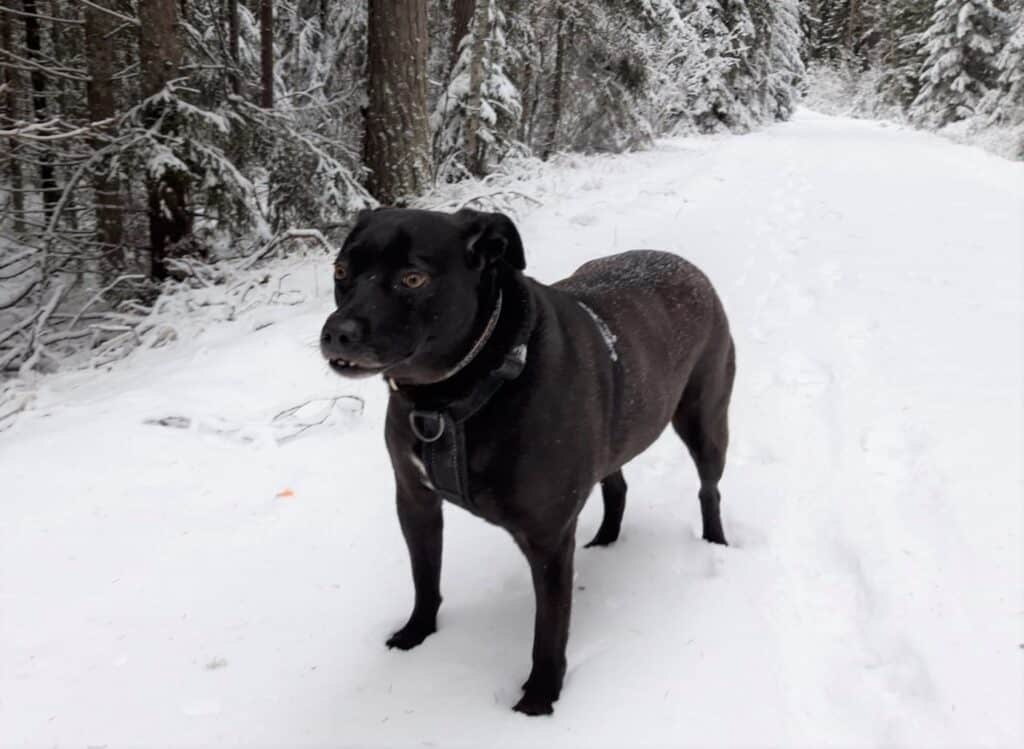
Signs of Stress in Rehomed Dogs
Dogs communicate stress through body language and behavior. And when you know what to look for, it’s easier to understand what your dog is feeling.
Some of the most common signs that a dog is feeling stressed or anxious include panting when they’re not hot, yawning when they’re not tired, tongue flicks, or turning their head away during interactions.
You might also notice their ears pinned back, their tail held low or tucked, and their body becoming tense or stiff. Other signs include pacing, appearing hypervigilant, or freezing in place. Vocalizations like excessive barking, whining, or growling can also indicate discomfort, as can avoiding eye contact or attempting to hide. In some cases, a dog may even pee or poop indoors despite being housetrained.
Self-soothing behaviors such as excessive sniffing, licking, or suddenly falling asleep can also be subtle indicators that your dog is trying to cope with stress. Some dogs are too scared to move or interact, in a phenomenon known as learned helplessness. Others might show defensive behaviors, like growling or snapping, when they feel cornered or confused. And then there are the anxious ones—unable to relax, following you everywhere, or panicking when left alone.
All of these are valid responses to an overwhelming situation.
Why It Happens
Rehoming—even when done with care—removes everything a dog finds familiar. In some cases, they may have never even lived in a home before. Shelter dogs, for example, may have become accustomed to that setting, even if it’s noisy and stressful. The food, the routine, the volunteers. They may have had friends—both human and canine—and suddenly, they’re pulled from all of that and dropped into a brand-new world.
Dogs who are rehomed from a foster or another family may transition more smoothly, but they can still feel disoriented, sad, or unsure. Even if their new home is safer or more loving, they still need time to adjust and feel secure.
How to Help a Rehomed Dog Settle In
The most helpful thing you can offer a newly adopted dog is time, space, and patience.
Safe Space
Start by giving them a safe space—a quiet room where they can relax and retreat when needed. Don’t overwhelm them with too much affection, too many visitors, or trips out of the house right away.
Let your dog explore at their own pace. Let them approach you when they’re ready. And allow them to say “no” if they don’t want to interact—by turning away, walking off, or taking space.
Avoid Flooding Them with New Experiences
That means no massive walks, busy parks, meeting new people or pets, or training sessions in the early days. They may already be in emotional overload and unable to focus on learning or bonding just yet.
Stick to a Consistent Routine
Dogs thrive on predictability, and that routine will help them feel safe. Meals, bathroom breaks and rest time should all follow the same rhythm every day. And most importantly—don’t rush the process. Trust is not built overnight.
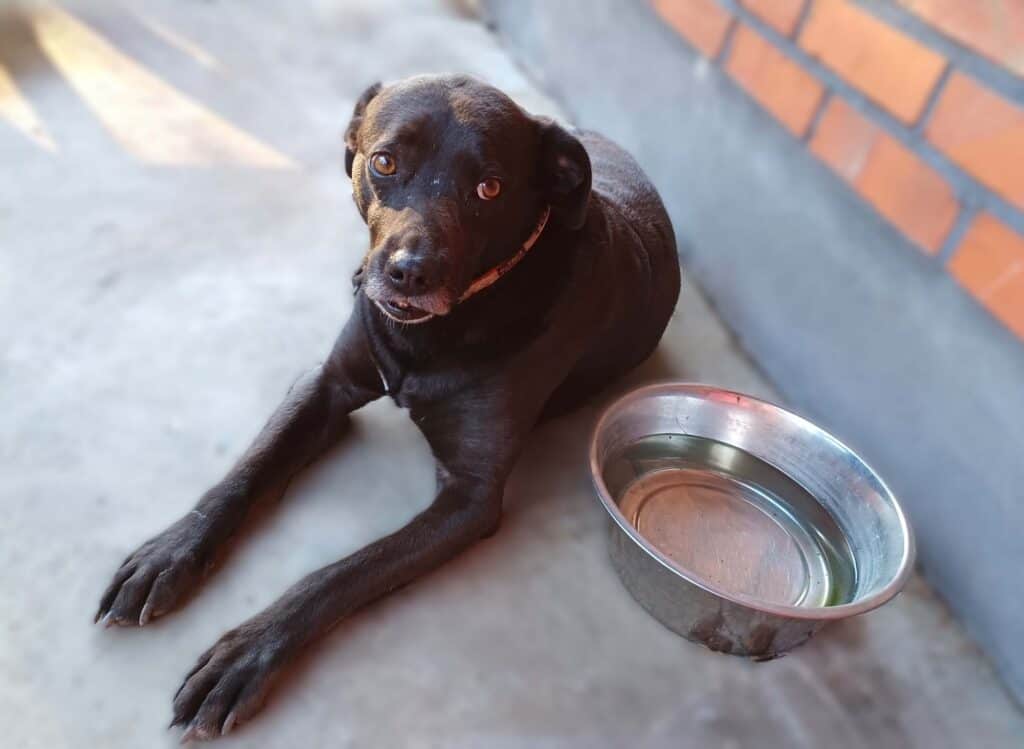
What to Expect Over Time
As your dog begins to settle, you may see changes—in their behavior, their energy, even their body. They might gain or lose weight. Their coat may improve. Their posture may shift. They may start to explore, make eye contact, or play. But it may also take weeks—or even longer—for the real dog to emerge.
You might also see delayed behavioral challenges. As they get more comfortable, certain issues—like reactivity or separation anxiety—might surface. That doesn’t mean things are going wrong. It means they’re finally safe enough to show you how they really feel.
Rehoming a dog isn’t just a change of address. It’s a massive emotional shift—one that takes time, compassion, and flexibility. But if you move at their pace, learn to read their signals, and give them the space to come around in their own time, that trust will come. Not because you asked for it. But because you earned it.
