
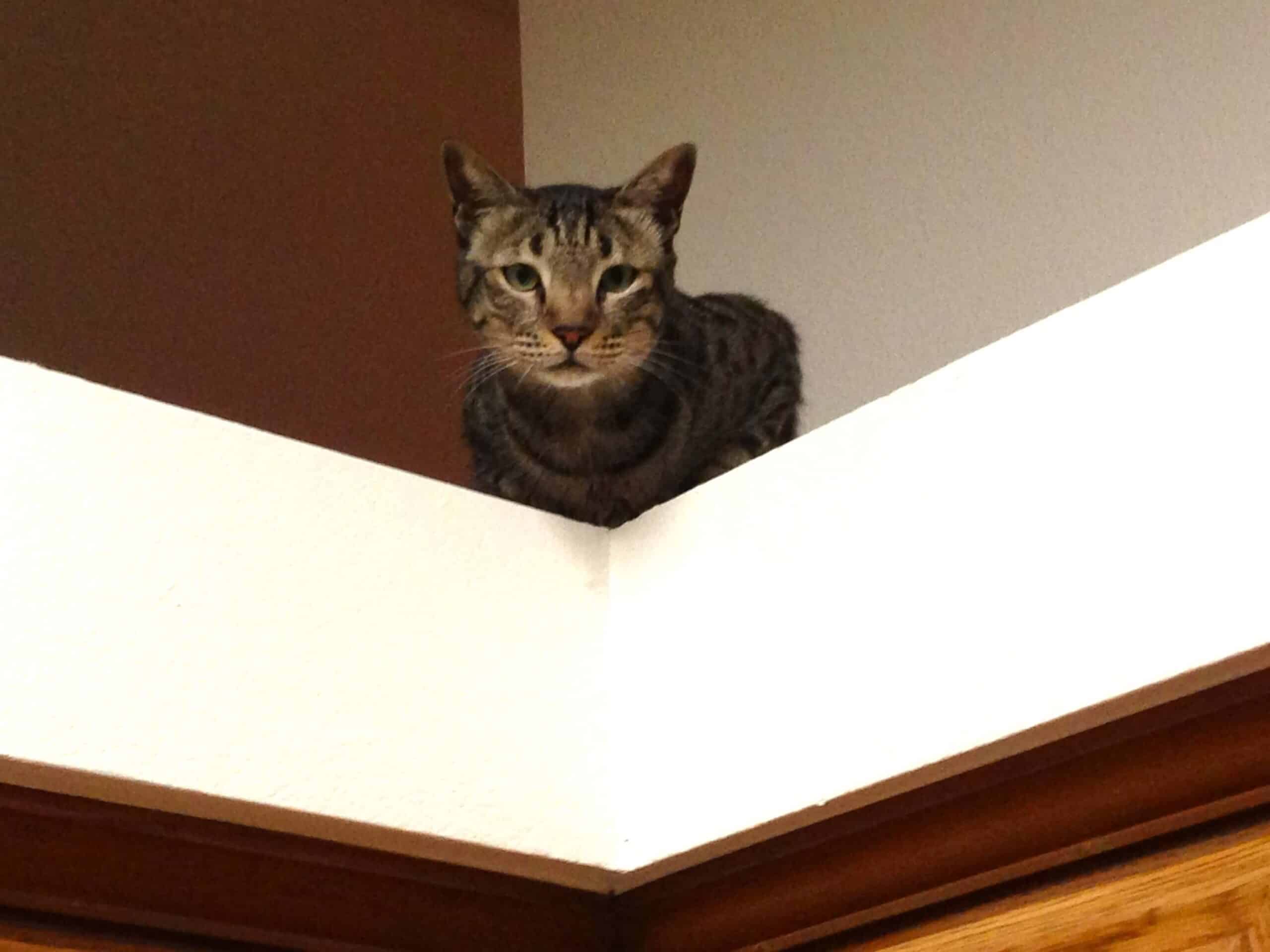
Why a Lack of Vertical Space Could Be Stressing Out Your Cat

Cats often feel happiest when they can climb, perch, and survey their world from above. Whether it’s a cat tree, wall shelves, a hammock, or a cozy perch on top of the furniture, vertical space isn’t just a luxury, it’s a key part of feline well-being.
Vertical Space for Safety and Security
Imagine you’re a cat and something suddenly startles you. What’s your first instinct? If you don’t run and hide under the bed, chances are you’ll want to escape to a high place where you can watch safely from above without being seen.
Escaping Perceived Threats
Cats are natural climbers, and when they feel stressed or threatened, they often retreat to a high perch where they can watch from a safe distance.
Providing a Safe Retreat
When cats are feeling overwhelmed, stressed, or simply need some alone time, they’ll often seek out a quiet, elevated spot where they can relax and recharge without the risk of being disturbed.
Mapping Territory
Cats are territorial animals and often feel most secure with a clear view of their surroundings. A high vantage point boosts their confidence, helps them map both the horizontal and vertical dimensions of their territory, and feel more in control of their space. It’s a simple addition that can ease fear, stress, and anxiety while promoting calm and confidence. This is especially important in multi-cat households, where cats may feel the need to establish their own space and boundaries, and stress levels may be high.
Feeling Secure in New Surroundings
When a cat is adopted into a new home or you’ve just moved house, everything is unfamiliar, and they may feel unsure of their surroundings or whether they’re safe. In those first days, having a secure place to retreat to becomes a top priority—whether that’s under (or behind) the furniture (or, in one of our rescue cats’ cases, behind the toilet!), or up on a high perch where no one can reach them.
Controlling the Environment
When cats have access to multiple levels and hiding spots, they can choose where they want to be and how they want to interact with their surroundings. This can be especially important in households with children or other pets, where cats may feel the need to escape and find a quiet, safe space. The more cats feel in control over the choices they make and what happens to them, the calmer and more relaxed they will feel overall.

Physical Benefits of Vertical Space
Have you ever watched a cat scale a tall bookshelf or leap gracefully from one perch to another? It’s a sight to behold, and it’s a testament to their incredible athletic abilities.
Natural Climbers
Cats are built for climbing, with powerful hind legs, flexible spines, and sharp claws that allow them to scale even the most challenging vertical surfaces. In the wild, cats use their climbing skills to hunt prey, escape predators, and observe their surroundings from high vantage points. Even though our domestic cats may not face the same challenges as their wild counterparts, they still have these strong instinctive needs.
Stretching and Exercising Muscles
When cats climb, they engage their core muscles, hind legs, and upper body, which helps keep them strong and agile. This gives them opportunities to stretch their bodies fully, which is essential for maintaining flexibility and preventing stiffness.
Mental Benefits of Vertical Space
As a cat owner, you’ve probably noticed that your feline friend seems to have a keen interest in the world around them. Whether they’re watching birds through the window or observing you from atop the refrigerator, cats are naturally curious creatures who love to take in their surroundings.
Different Perspectives
Imagine if you were confined to a single room with no windows or access to the outside world. You’d probably get bored pretty quickly, right? The same is true for cats. When cats are limited to a single level of their environment, they can become bored, frustrated, and unstimulated.
By providing your cat with vertical space, you’re giving them the opportunity to observe their surroundings from different perspectives. This can be incredibly mentally stimulating as it allows them to watch birds, squirrels, and other wildlife from a safe vantage point. It also gives your cat a healthy outlet for their natural urge to explore. This activates the brain’s “seeking” system, which provides a release of the feel-good hormone, dopamine, and is highly rewarding. Plus, it gives them a chance to keep an eye on their human family members and stay engaged with their environment.

Preventing Boredom and Behavioral Issues
When cats don’t have outlets for their natural behaviors (like scratching, climbing, exploring, hunting), they may engage in destructive behaviors like scratching furniture, excessive meowing, or overgrooming as a way to alleviate their frustration. They may also become more aggressive or territorial, especially in multi-cat households. You may even end up with litter box problems or urine marking around the house which is, trust me, the last thing you want.
Reducing Stress and Anxiety
When cats feel stressed or anxious, their natural instinct is often to hide. In the wild, cats will seek out small, enclosed spaces where they feel safe. This instinct carries over to our domestic cats, too.
Studies show that providing cats with hiding spaces can actually help reduce their stress levels. In one study, shelter cats who were given access to a hiding box had lower levels of stress hormones and were more likely to approach and interact with people than cats who did not have access to a hiding space.
Fortunately, many cat trees and condos now include built-in hiding boxes or “cat caves” in their design, giving cats the option of retreating to a secure space while still enjoying the benefits of vertical territory.
Coping with Stress
While it’s normal for cats to experience some level of stress and anxiety, chronic stress can have serious health consequences. As well as potential behavioral issues, these cats may even be more prone to certain health problems. By giving your cat a place to retreat to when they’re feeling overwhelmed, you’re helping them manage their stress in a more natural way.
Of course, it’s important to remember that vertical space is just one aspect of a comprehensive approach to reducing stress and anxiety. Other important factors include providing plenty of playtime and interaction, maintaining a consistent routine, and minimizing changes in the household.

How to Choose the Right Vertical Space for Your Cat
When choosing vertical space options for your cat, look for sturdy, stable structures that can support their weight and have a wide base to prevent tipping.
Consider your cat’s size and weight, as well as their individual preferences. Some cats may prefer a taller, more complex structure with multiple levels and hiding spots, while others may be content with a simple window perch or a few strategically placed shelves.
Examples of Vertical Spaces
You might be wondering how you can incorporate more vertical space into your own home. The good news is that there are plenty of options available, from simple DIY solutions to more elaborate cat furniture.
Cat Trees, Condos and Towers
One of the most popular options for providing cats with vertical space is a cat tree, condo, or tower. These structures typically feature multiple levels of platforms, perches, and hiding spots, all designed to encourage climbing and exploration. Some even come with built-in toys or scratching posts to keep your cat entertained.
Shelves, Perches and Window Seats
If you’re short on floor space or simply want to provide your cat with more options, consider installing shelves, perches, or window seats. These can be as simple as a few floating shelves mounted to the wall, or as elaborate as a custom-built window seat with a cushion and hiding spot.
Be sure to use sturdy brackets and anchors so they can support your cat’s weight. You may also want to consider adding a non-slip surface, such as carpet or sisal, to help your cat feel more secure.
Wall-Mounted Furniture and Hammocks
Cats also need plenty of comfortable spots to rest and relax. Wall-mounted furniture, such as cat hammocks or wall-mounted beds, can provide a cozy spot for your cat to nap while still taking advantage of vertical space.
When choosing wall-mounted furniture, look for options that are easy to install and clean. Some hammocks and beds come with removable covers that can be machine washed, while others may require spot cleaning.
DIY Ways to Create Vertical Space
If you’re feeling crafty and want to create a unique vertical space for your cat, why not try some DIY projects? With a little creativity and a few basic materials, you can design a custom cat tree, wall-mounted perch, or cozy cubby that perfectly fits your home. Even simple touches, like repurposing sturdy shelves, adding sisal rope for climbing, or lining a nook with soft bedding, can turn unused corners into feline-friendly retreats. DIY options let you tailor the space to your cat’s preferences while giving you a budget-friendly way to enrich their environment. For example:
- Wall Shelves with Ramps: Sturdy shelves at staggered heights give cats climbing routes and lookout spots.
- Window Perch: A cushioned shelf or hammock by the window creates a safe “cat TV” viewing station.
- Repurposed Bookshelf: Clear a few levels, add soft mats and a cardboard box, and you’ve got an instant cat condo.
- Sisal-Wrapped Poles: Attach sisal rope to wooden posts for climbing and scratching in one.
- Cozy Cubby Box: Stack or mount wooden or plastic crates with cut-out entrances for hide-and-seek fun.
