
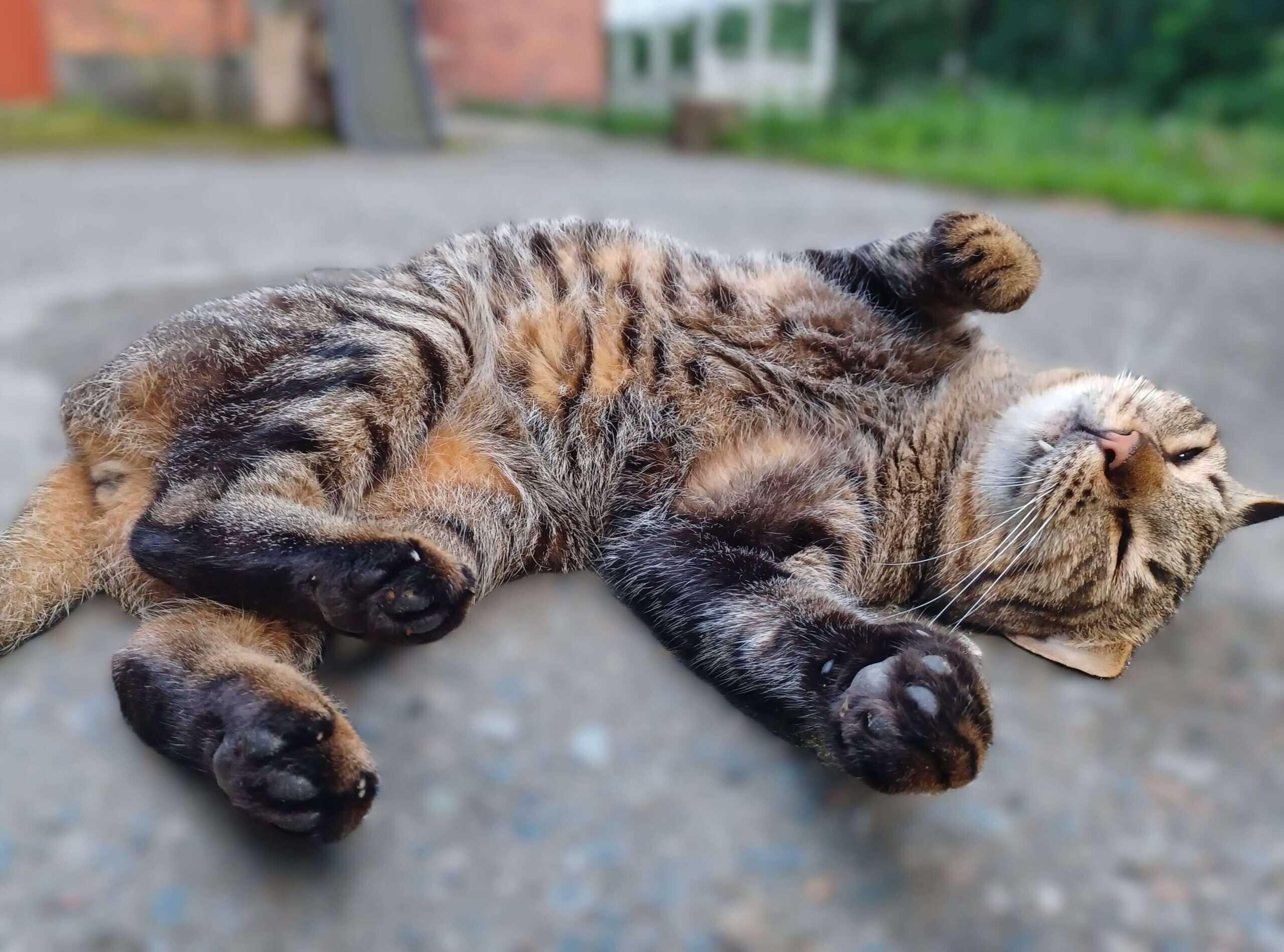
9 Cat Body Language Red Flags You Can’t Afford to Ignore

Cats are masters of subtlety, with a variety of secret ways to communicate their feelings.
A little flick of the tail or a specific look can say volumes about their mood.
Pay close attention!
Understanding these signals might just be the ticket to a stronger, more harmonious relationship with your feline companion!
1. Tail Twitches: Not Just a Dance Move
A cat’s tail is a window into their soul.
When your cat’s tail starts twitching, it’s often a sign of irritation or annoyance.
Often, this happens when you’ve been petting him for a while and he’s been enjoying it, but has now had enough.
This is your cue to stop petting right away and give him space, before he feels the need to sink those sharp teeth or claws into the back of your hand.
2. Ears Back: Tune in to the Warning Signs
We’ve all seen those cute little ears, either upright or relaxed, but when they’re flat against the head, alert the alarm bells!
This means your cat is not a happy camper.
This posture signifies fear, anxiety, or even potential aggression.
Think of it as the cat’s ‘do not disturb’ sign.
If ignored, it could lead to hisses, scratches, and a lot of feline drama.
3. Hissing: More Than Just Hot Air
Hissing isn’t just some cute cat behavior—it’s serious business.
This sound is your cat’s way of saying he’s feeling threatened or stressed to the max.
It could be a response triggered by an uncomfortable situation like meeting a new pet or feeling cornered.
Sometimes it can mean he’s in pain.
4. Excessive Grooming: Not Just a Beauty Routine
Cats love looking good, but obsessive grooming can be a sign of stress or health problems.
It’s often referred to as stress grooming, akin to us nervously biting our nails.
Check for bald spots or irritated skin.
It could be allergies, parasites, or even anxiety.
Sometimes lifestyle changes can stress our furry friends to the point of over-grooming.
Consult a vet to rule out medical causes, and ensure your cat has a stress-free environment.
5. Purring: Not Always Pleasant
Ah, the soothing sound of purring.
Most of us associate this with a happy cat, right?
But here’s the kicker: cats also purr when they’re in discomfort or pain.
A cat might purr to soothe himself when he’s feeling stressed, sick, painful, or even a momma cat when she’s about to give birth!
It’s all about understanding the context.
If your cat doesn’t seem his usual self and purring is accompanied by other unusual behavior, it might be vet time.
6. Swatting and Scratching: Not Just Play Fight
If Swatting and Scratching were an Olympic event, cats would win gold every time.
But when your cat’s turning everything into a scratching post, it could mean he’s feeling threatened, frustrated, or even bored.
Offer dedicated scratching areas and engage in fun hunting games to give your cat a mental challenge and an outlet for his inner predator.
This will help make him feel calmer and counteract the aggression.
7. Hiding: Sherlock’s Got Nothing on Them
The game of hide and seek is fun until your cat’s the only one playing.
Excessive hiding could mean your cat’s feeling scared or overwhelmed.
New environments, unfamiliar people, or noise disturbances can all be a trigger.
In your cat’s eyes, a great hiding spot equals a safe zone and a great way to reduce stress.
Find ways to boost your cat’s confidence: provide comfort toys, cozy spots above ground, and keep things calm and quiet so your cat knows he’s safe in his home territory.
8. Flattened Whiskers: Need for Space
If you notice your cat’s whiskers pinned back against his cheeks, he’s most likely feeling a spectrum of negative emotions — fear, aggression, or discomfort.
This subtle signal can be a warning not to get too close and maintain some distance.
Monitor for environmental stressors and if the behavior continues, it might be time for professional help.
9. Wide Dilated Eyes: Curiosity or Shock?
Large, black pupils can indicate supreme focus or fear.
Cats open up those peeper-pupils in dim lighting or heightened situations.
Watch the body language.
Coupled with a tense posture, it could indicate feeling threatened.
Combined with relaxed muscles and whiskers forward, it’s more like curiosity.
Observe other cues and adapt your actions accordingly, like giving your cat time to explore or retreat.
Understanding Your Cat: Continuous Learning
The key to a cat’s world is understanding his non-verbal cues.
These red flags are just scratching the surface of what cats subtly communicate.
Just like people, cats have their own way of communicating and the more we pay attention, the better we can understand their fears and intentions.
So, while they may not speak human, tuning into your cat’s language helps fortify your bond and enrich your lives together.
Consulting the Experts: A Little Guidance Never Hurt
When in doubt, seek out professional help.
Veterinary behaviorists and feline behavior pros have seen it all.
They’ll provide tailored insight into underlying causes, from health issues to emotional well-being.
Consulting professionals is always a good idea when things get beyond basic understanding.
Debunking Cat Myths: Wag the Tales Right
Cats have long been the subjects of myths.
From witches’ familiars to aloof antisocials, they carry centuries of storytelling.
Breaking those myths is essential.
Cats are sentient beings with complex emotions, not mysterious furry enigmas.
Understanding the truth of your cat’s behavior allows for a healthier view and to enjoy them for who they really are: curious and intelligent creatures.
Key Takeaways
Your cat isn’t just a pet—he’s family.
Ignoring his subtle communication signals can mean missing out on important parts of his life and the way he’s feeling.
Start decoding your cat today and watch your bond grow.
The next time your cat gives a mysterious meow, you’ll be right there to say, “I understand!”
