
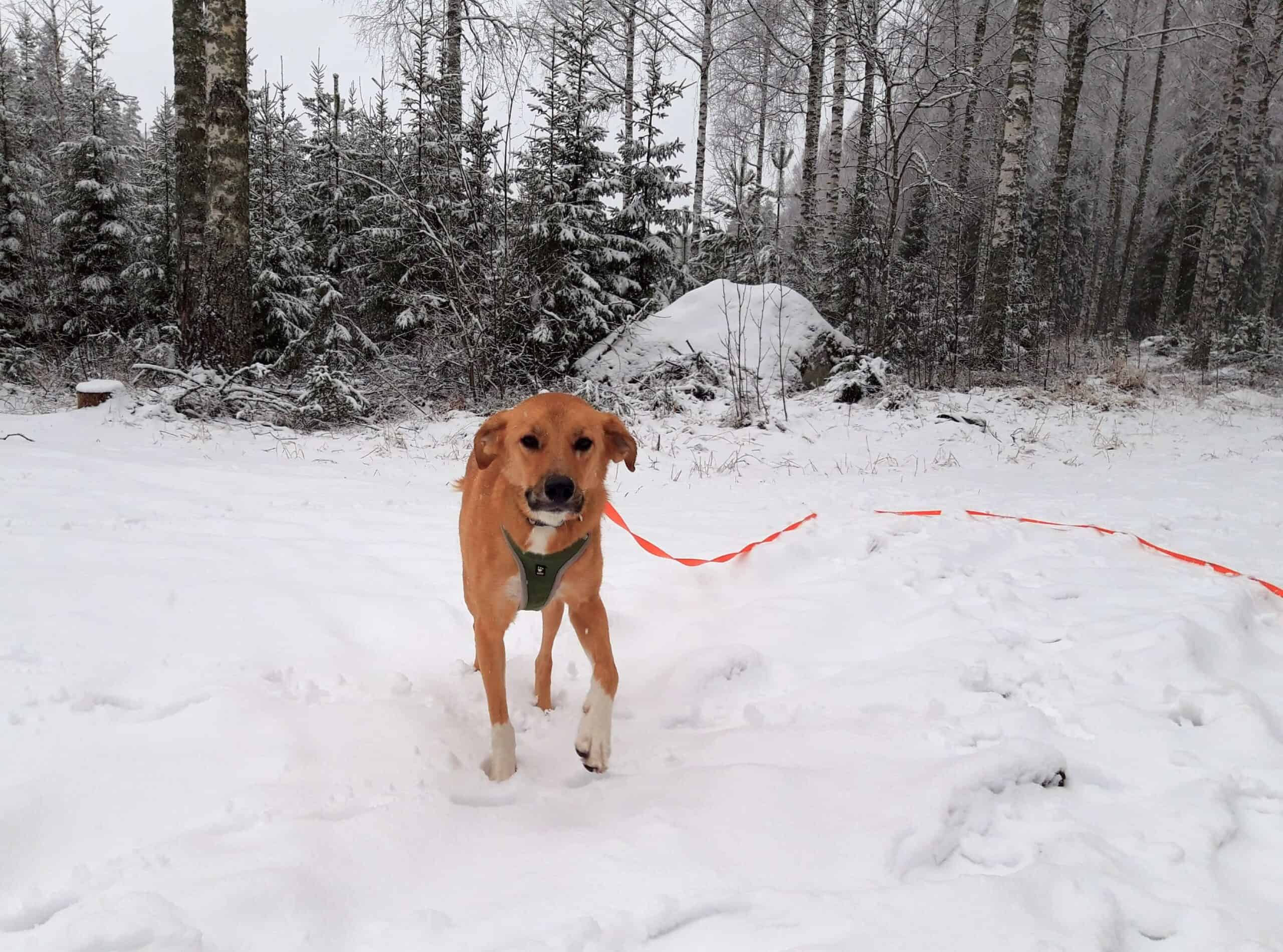
Every Anxious Dog Deserves a Walk That Feels Safe. Here’s How to Start

If walking your dog feels more like an obstacle course than a bonding experience, you’re not alone. Many caring dog guardians face this challenge, especially with anxious or sensitive pups. The good news? With a few thoughtful changes, walks can go from overwhelming to enjoyable. Here’s how to gently rebuild your dog’s confidence and turn walk time into something you both look forward to.
1. Choose the Right Gear
Start with a well-fitted harness. It’s safer and more comfortable than a collar, especially for dogs who pull or feel unsure. Avoid prong or shock collars, which risk causing pain and increasing fear. Favorites like the Freedom No-Pull, Blue-9 Balance Harness, or Perfect Fit offer great control without discomfort.
Before heading out, take time to condition your dog to the new gear at home with praise and treats.
2. Desensitize and Counter-Condition
These are big words for a simple concept: helping your dog feel safe around things that currently scare them. Start slow. Reward your dog for staying calm at a distance from their triggers, like other dogs or loud noises.
Over time, they’ll begin to associate those once-scary things with good experiences.
3. Practice at Home First
Training in a safe, familiar place builds confidence. Use tasty, high-value treats and reinforce simple behaviors in your home or backyard. Once your dog feels comfortable, slowly bring those skills into the outside world. But be careful not to rush; always go at your dog’s pace.
4. Build Confidence with Games
Confidence grows through enrichment. Puzzle toys, nose work, and simple clicker games keep your dog’s brain busy and help reduce anxiety. Even something as simple as hiding treats around the house can encourage curiosity and provide a much-needed boost of endorphins.
5. Create a Predictable Routine
Dogs thrive on consistency so they feel more in control of their environment and what happens to them. Stick to a regular schedule for walks, meals, and rest. Knowing what’s coming next gives anxious dogs a sense of security and reduces unpredictability that might trigger stress.
6. Add Calming Activity to the Pre-Walk Routine
Before leashing up, take a few minutes to play or let your dog sniff in the yard. A little pre-walk relaxation can set a positive tone and lower stress before stepping out the door.
7. Use Positive Reinforcement
Bring treats on your walk and reward your dog for staying calm, checking in with you, or walking nicely. The goal isn’t perfection; it’s more about helping your dog associate walks with good things.
8. Manage the Environment
Pay attention to what’s ahead. Things like loud noises, busy intersections, or off-leash dogs can be overwhelming. Cross the street, pause, or turn around if needed. Staying calm helps your dog stay calm, too.
9. Let Your Dog Make Choices
Allowing your dog to pick the route, pause to sniff, or decide when to stop adds a sense of control. And control, for an anxious dog, can be incredibly reassuring and help boost confidence.
10. Keep Walks Short
Start with brief, low-stress walks and gradually increase distance over time. Ending on a positive note—even if it’s just a few successful minutes—can help your dog feel good about the experience.
11. Stay Calm and Grounded
Your emotional state influences your dog’s. If you stay relaxed and present, they’re more likely to mirror that calm. If something stressful happens, take a breath, stay steady, and offer gentle reassurance.
12. Try the “Jolly Routine”
If your dog starts to get nervous, use a cheerful tone, lighthearted body language, and a playful attitude to show them there’s nothing to fear. You’re not ignoring their worry; rather, you’re modeling confidence to help them feel calmer.
13. Explore Calming Products
Tools like calming sprays and diffusers, ThunderShirt anxiety jackets, or calming supplements may offer additional support for some dogs. They’re not quick fixes but can complement your training and help reduce anxiety levels over time.
14. Walk with a Dog Friend
Some dogs gain confidence when walking with a calm dog friend. The presence of another pup can create a pack-like atmosphere and offer a sense of security. Choose companions wisely. You need another dog with a calm energy who is quietly confident and dog-social.
15. Be Patient
This is the big one. Change takes time. Celebrate small wins, and don’t rush progress. Every peaceful step your dog takes is a sign of growth. With patience and consistency, even the most anxious pup can learn to enjoy walks again.
Curious to learn more? Explore a more in-depth version of this article here:
