
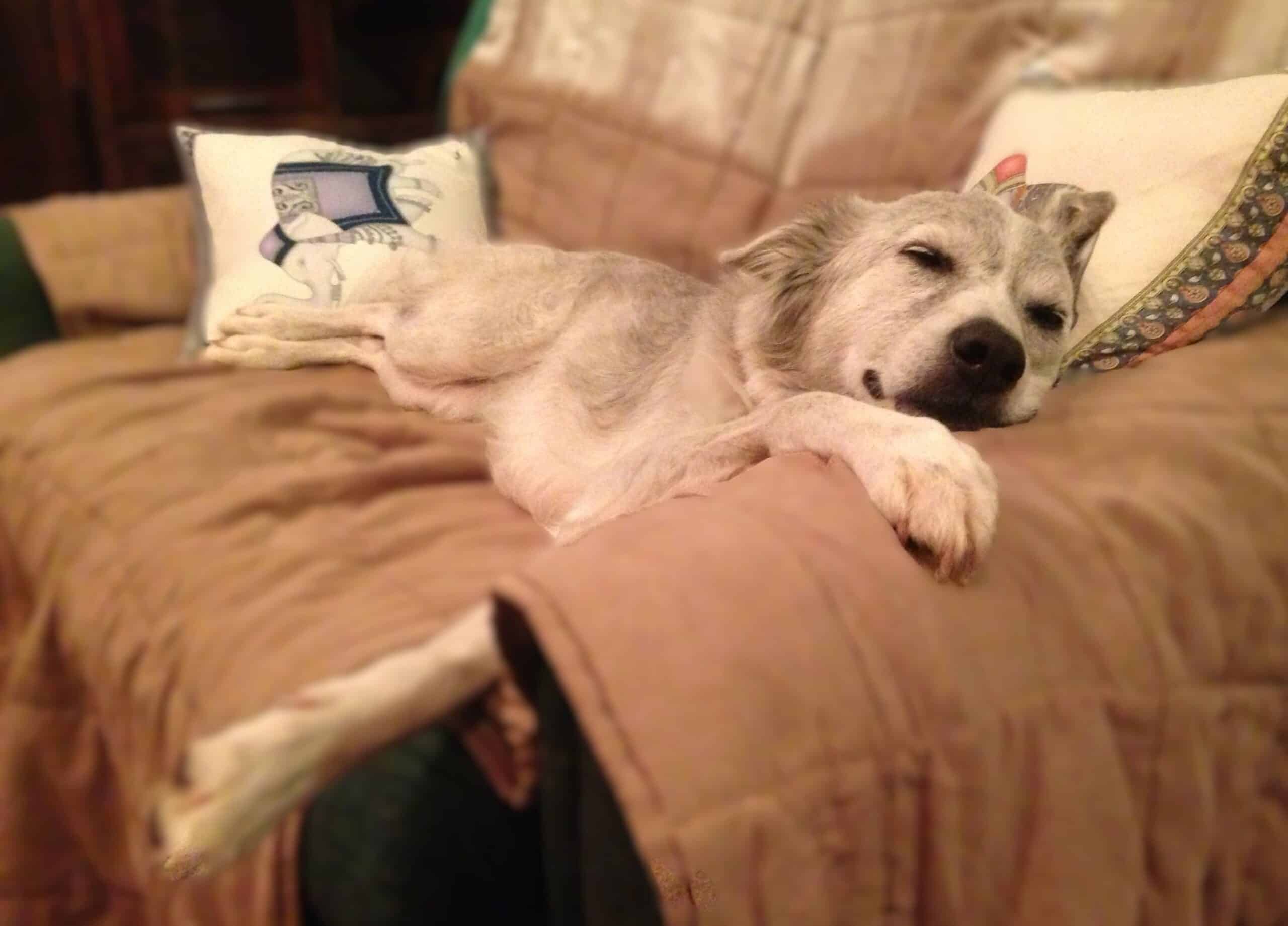
If Your Dog Growls When You Disturb His Nap, Read This First

Have you ever nudged your sleeping dog and suddenly heard a growl? It can be a little startling—but it’s not aggression. That low rumble is simply a form of communication, and is certainly not “bad behavior.” But whether it’s a midnight shuffle or an accidental bump, learning to understand this signal can help you build even more trust with your dog.
Cracking the Code: What Does Growling Mean?
When your dog growls, he’s not trying to pick a fight. Rather, he’s sending you a message. It’s his way of saying, “Hey, I’m not okay with that.” Honestly, if someone jolted us awake from a nap, we’d probably grumble too. Understanding what that growl really means can help you avoid misunderstandings and respond in a way that builds trust. It’s not a warning to fear—it’s communication to appreciate.
Reason #1: Surprise Wake-Up Call
A dog might growl if woken suddenly because his startle reflex kicks in. This isn’t aggression—just instinct taking over. Imagine sleeping soundly only to feel a sudden shove. You might be scared or wonder what’s happening. To avoid startling him, always approach your snoozing dog with slow, gentle movements while softly speaking to him. This little trick minimizes the chance of triggering a “surprise growl.”
If you absolutely have to wake him or move him for some reason, try gently tapping his bed a few inches in front of his nose. This gives him a chance to wake up gradually, without being startled by sudden touch. You can also softly call his name so he has time to orient himself before being moved. The goal is to avoid triggering a defensive reaction by giving him a clear, respectful signal that you’re there.
Reason #2: Sleep Aggression
Think of it like waking up on the wrong side of the bed—but in canine form. Some dogs, especially when startled from deep sleep, may react with a growl or snap. It’s not personal—it’s instinct. Science suggests this response is rooted in self-protection, a leftover from their evolutionary past. The best way to keep the peace? Let sleeping dogs lie whenever possible.
Reason #3: Stress or Fear
If your dog growls when you try to move him, past experiences or general anxiety could be behind it. A dog who’s been startled or hurt before might still carry that stress into future naps. Working with a behavior expert can help ease those fears and boost your dog’s confidence—leading to better sleep and more relaxed cuddles all around.
Reason #4: He’s Just Too Cozy
Let’s be honest—most of us don’t like being pulled out of the perfect nap either. Sometimes, your dog growls simply because he’s really comfortable and doesn’t want the moment ruined. Respect that bliss and you’ll both enjoy a more peaceful day.
Reason #5: Deep Sleep Confusion
During REM sleep, your dog’s brain is busy processing dreams—and he’s less aware of what’s going on around him. If you try to move him mid-dream, a growl might just be a sleepy, reflexive reaction. Give him space to finish their nap in peace instead.
Reason #6: Pain or Discomfort
If your dog growls when touched or moved, especially if he’s older, pain could be the cause. Joint issues, arthritis, or hidden injuries often show up during rest. If the growling becomes frequent, a vet check can help uncover and address what’s really going on.
Reason #7: Underlying Medical Conditions
In rare cases, growling during sleep can be linked to neurological issues, seizures, or other medical concerns. If something feels off or the behavior is new, don’t wait—your vet can help get to the root of it and keep your dog safe and comfortable.
Reason #8: Guarding Their Spot
Your dog’s bed isn’t just soft—it’s his very own. Some dogs guard their sleeping area like it’s prime real estate. This is known as resource guarding, and it’s a sign that he highly values his bed and will defend it at all costs. The best approach? Respect his resting space and avoid turning nap time into a turf war.
Reason #9: It’s Their Safe Zone
We all have places where we feel completely at ease—dogs do too. If they’re tucked away in their favorite spot, being disturbed might trigger a growl. Once again, it’s not aggression; it’s a reminder that everyone needs a sanctuary, even your dog.
A New Way to Hear Growling
Let’s reframe growling: it’s not defiance—it’s your dog saying, “I’m not okay with this.”
As Dr. Karolina Westlund puts it, “A growl is a gift.” It’s a clear warning before things escalate, giving you the chance to listen, adjust, and protect the trust between you and your dog. When we see growling as communication—not conflict—we build safer, more respectful relationships.
What to Do When Your Dog Growls
First, stay calm. Don’t punish the growl. Instead, thank your dog for being honest. If you really do need to wake him, use a soft voice, gently call his name, and try the tapping that I mentioned earlier. Give him a moment to fully wake up before asking him to move. Respecting his space goes a long way toward reducing stress and deepening your bond.
When you take the time to understand what your dog is telling you, you become more than a pet parent—you become someone he can fully trust. With that trust comes fewer growls… and many more happy tail wags.
Curious to learn more? Explore an in-depth version of this article here:
