
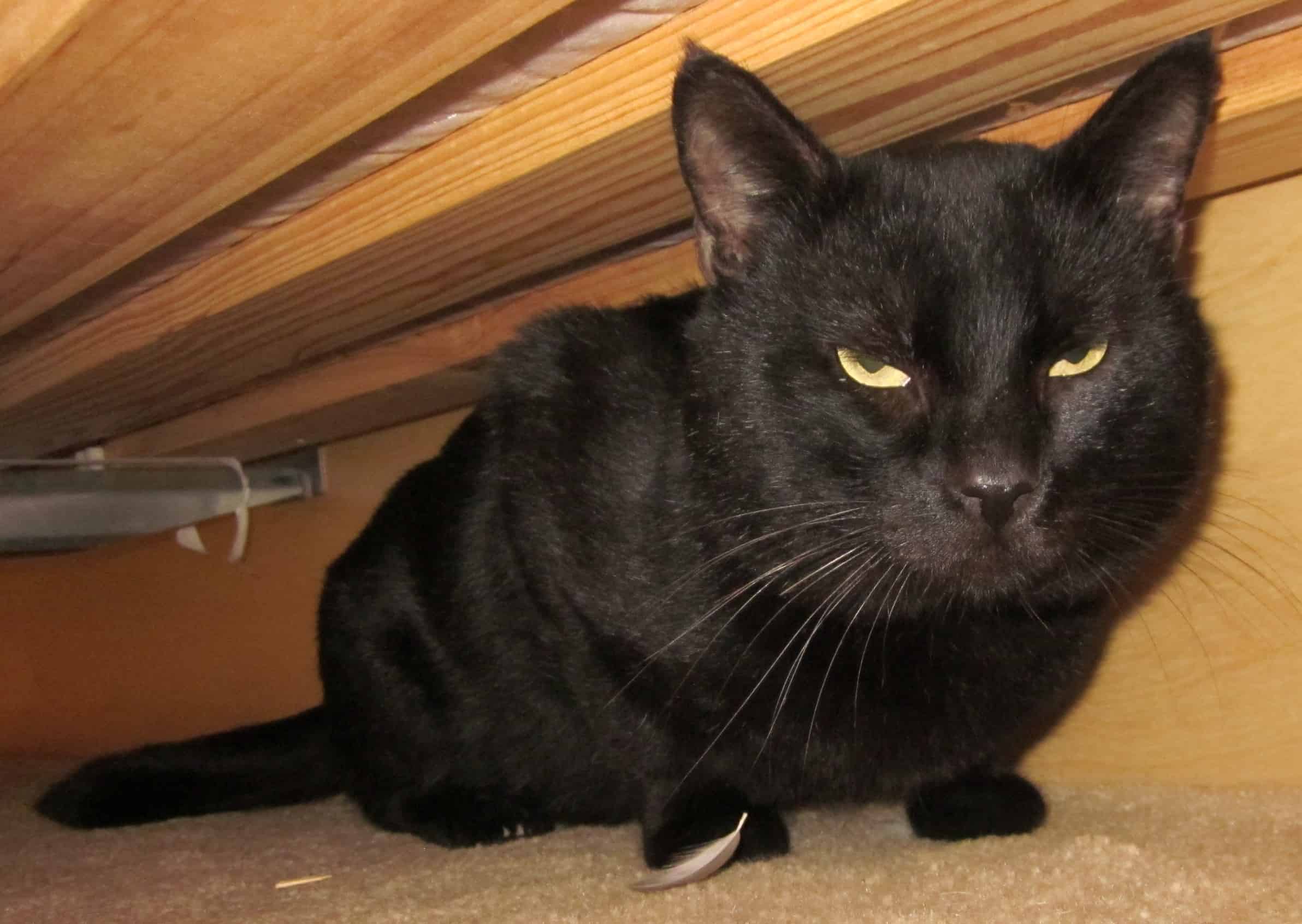
Stop Giving Your New Rescue Cat the Run of the House (Do This Instead)

When a new rescue cat comes home, the instinct of most cat owners is a generous one. They want their new family member to feel welcome. They want them to know the whole house is theirs. They open every door, introduce every room, and wait for their cat to blossom.
And then their cat disappears behind the washing machine and doesn’t come out for three days.
Here’s the thing: giving a new rescue cat the run of the house from day one can be overwhelming. A home that feels warm and welcoming to you is, from your new cat’s perspective, an enormous, unfamiliar, potentially threatening space full of unknown scents, sounds, and uncertainties, and they have no idea yet whether any of it is safe.
The good news is that there’s a simple, well-established approach that makes the entire settling-in process smoother, faster, and far less stressful for both of you. I call it the Room Method, and it’s the first thing I recommend to every new cat owner I work with.
What is the Room Method?
The Room Method is exactly what it sounds like: instead of giving your new cat access to your entire home from the moment they arrive, you start them in a single room. This is a quiet, comfortable, carefully prepared space that becomes their base camp while they decompress and adjust.
That one room becomes their whole world for the first days or weeks. It’s where they eat, sleep, hide, explore, and begin to build their first tentative associations with you. And it works because it respects something fundamental about how cats process new experiences: they need to feel safe before they can feel relaxed.
It isn’t a punishment. It isn’t a restriction. It’s the most cat-friendly way to begin a new relationship, and the research backs it up. Studies of shelter cats have found that cats given access to a hiding box show significantly lower stress levels and are far more likely to approach people and display relaxed behaviors over time than those without one. The Room Method is the whole-home version of that same principle.
Setting up the room
The room you choose should be quiet, away from the main household traffic, and inaccessible to other pets. A spare bedroom or a large bathroom works well. What matters most is that it feels calm and that your cat cannot escape through an open window or slip out when someone opens the door.
Before your cat arrives, set the room up with everything they need:
A comfortable bed in a quiet corner, away from the litter tray. Cats like to sleep somewhere they feel enclosed and secure, so a covered cat bed or a cardboard box with a soft blanket inside works well.
Multiple hiding options. A cat who has somewhere to hide is a cat who feels in control, and a cat who feels in control is a cat who will come out sooner. Think cardboard boxes, a covered cat bed, a cat tree with an enclosed compartment, and offer a range so they can choose. When we brought our cat Jasmine home from the streets of Dubai, she wedged herself into the smallest compartment of a cat tree and barely moved for two full weeks. She really needed that space, and having it available meant she never had to escalate to panic.
Food, water, and a litter tray, with the litter tray placed well away from the food and water bowls. Many cats are fastidious about this separation and getting it right from the start removes one potential source of stress.
A scratching post. Scratching is both a physical need and an emotional one. It’s how cats deposit their scent and begin to make a space feel like theirs.
A familiar scent. If you can get a blanket or piece of bedding from the shelter or foster home that carries your cat’s own scent, include it in the room. Familiarity is calming.
Toys. Left for them to engage with in their own time, not pushed on them.
If your cat seems tense, it may be worth trying some cat-specific calming music in the background during your visits. Our cat Loulou was particularly partial to Tchaikovsky’s Swan Lake, which always seemed to settle her.

What to do while your cat is in their room
Once your cat is safely in their room, the most important instruction is also the hardest one: do less than you think you should.
Your instinct will be to comfort them, to stroke them, to show them how happy you are they are home. Resist it. In the earliest days, the kindest thing you can do is to be a calm, unthreatening presence that asks absolutely nothing of them.
Pop in for meals. Change the litter. Sit on the floor, never looming over them. Turn sideways on and avoid making direct eye contact. Cats read a direct stare as confrontational, so look at them softly and then look away, look again, look away. This is the cat equivalent of saying “I’m not a threat.”
The slow blink is your most powerful tool at this stage. A relaxed, slow close-and-open of your eyes, directed gently toward your cat, communicates calm and safety in a language they already understand. Many cats will eventually return it, and when they do, it’s a moment of genuine connection.
When you leave the room, toss a treat gently in their direction. You don’t need them to take it from your hand. You’re simply starting to build an association: when this person is here, good things happen.
What not to do:
- Don’t reach into their hiding spot
- Don’t try to pull them out or coax them with food held too close
- Don’t invite the whole family in to meet them
- Don’t let other pets in, even briefly
- Unless it’s a real emergency, ever attempt to force a cat out of hiding — this can tip a frightened cat into genuine panic and set back your progress significantly
The message you’re sending is simple: nothing bad is going to happen in this room. That message, delivered consistently, is the foundation of everything that follows.

How long does the Room Method take?
There is no fixed timeline, and anyone who gives you one is oversimplifying.
Jasmine spent two full weeks in her room before she began to emerge. Gypsy, who retreated to the highest point in the room when we first brought her home, took even longer before she felt confident enough to venture out. Millie, who we adopted from “death row” in the shelter at the age of 16, squeezed herself behind the bathtub for several days and only came out to eat and use the litter box when we weren’t there.
What tells you your cat is ready to move forward is not the calendar. It’s their body language and behavior.
Signs that they’re still decompressing and need more time include wide pupils, ears flattened or constantly swivelling, frozen posture, refusal to eat when you’re present, and hiding consistently throughout your visits.
Signs that they’re beginning to settle include eating more readily, mild curiosity when you enter, body language beginning to soften, or the occasional slow blink returned.
When you consistently see those settling signs, you’re ready for the next step.

Moving forward: opening up the space
When your cat is reliably relaxed in their room (eating well, engaging with toys, showing curiosity when you visit) you can begin to open up the rest of the home. The key word is gradually.
Start by opening the door to their room and letting them choose when to venture out. Don’t carry them out. Don’t prop the door open and then disappear. Stay nearby, calm and quiet, and let them investigate at their own pace.
Many cats will take a few cautious steps into the hallway, sniff intensively, and then retreat to their room. That’s perfect. Each foray builds confidence. Each retreat to the safe room is a chance to reset and process.
The safe room should remain available to your cat indefinitely and not just during the settling-in period. It’s their anchor point, and removing access to it prematurely can undo weeks of progress. Jasmine still retreats to her preferred spots when the dogs are particularly barky or something has startled her, years after she first arrived. That’s not regression; it’s a cat who knows where she feels safe and trusts that she can always go there.
When there are other cats in the home
The Room Method is even more important in a multi-cat household, because your resident cats need to adjust to the new arrival just as much as the new cat needs to adjust to them. Cats are territorial animals. An unmanaged introduction where the new cat suddenly appears in the middle of the living room is a recipe for conflict that can take months to unpick.
The room acts as a buffer for everyone. Your resident cats can hear and smell the newcomer without being able to see them, which is exactly the right level of exposure to begin with. It gives everyone time to process the fact that there’s a new presence in the home, at a pace that doesn’t trigger defensive behavior.
Scent before sight
Once your new cat has settled into their room and your resident cats are showing calm body language around the door, you can begin scent swapping. Place a blanket or a piece of bedding from the new cat in the resident cats’ area, and vice versa. Let each cat investigate the other’s scent in their own time, and pair any calm, positive response with high-value treats — something special like tuna, chicken, or their absolute favorite. You’re building the association: that scent means good things happen.
You can also swap the cats’ spaces when the timing is right. Let the new cat briefly explore the rest of the house while the resident cats are elsewhere, and let the resident cats investigate the new cat’s room. Scent is doing the introduction work long before the cats ever see each other.
Sight before contact
Once everyone is calm around the scent swapping, you can begin visual introductions with a crack in the door, or a baby gate or screen door that allows sight without physical access. Keep these brief. End them before anyone shows any sign of stress. Reward calm behavior immediately with treats on both sides.
Then gradually, over days or even weeks, work toward shared space. This should always be supervised with an easy exit available for every cat, always keeping the cats below threshold emotionally (in other words, calm). If at any point things escalate, go back a step. The process is not linear, and patience here pays dividends for years to come.
The one thing that makes the Room Method work
Everything about the Room Method comes back to one principle: giving your cat control.
Control over whether they hide or emerge. Control over whether they approach or retreat. Control over the pace of every new experience. Research consistently shows that cats who can make choices about their environment and have an element of control over it are less stressed, more relaxed, and more likely to seek positive social contact over time.
The Room Method works not because it confines your cat, but because it gives them a manageable world they can feel safe in, and then expands that world at a pace they can handle. It’s the opposite of overwhelming them and that’s exactly why it works.
Quick reference: The Room Method at a glance
Before they arrive: Quiet room prepared. Bed, hiding options, food, water, litter tray, scratch post, familiar scent. Other pets excluded.
Days 1–3: Minimal interaction. Let them decompress. Short, calm floor-level visits. Slow blinks. Treats tossed, not offered. No pressure.
Days 3 onwards: Watch body language for signs of settling. Build gentle positive associations. Sit quietly, leave calmly.
When they’re ready: Open the door and let them choose when to venture out. Safe room remains available always.
Multi-cat homes: Scent swapping first, then sight, then supervised shared space. Gradual, positive, always below threshold.
This article draws on the experiences and principles explored in other articles on my site:
- 25 Tips for Helping Your New Shy or Fearful Cat to Adjust
- Cat Introduction Nightmare? Follow These 8 Steps.
For the next stage of the journey, see The Trust Ladder for Rescue Cats: A 5-Stage Framework for Helping Your New Cat Adjust.
