
Rehoming Feels Like a Fresh Start—But for Cats, It’s Something Else Entirely

Bringing home a newly adopted cat can feel exciting and hopeful—but for the cat, it’s often overwhelming. Cats are creatures of habit who rely on routine and familiar spaces to feel secure. So, while it may seem like a fresh start to you, for them, it’s more like being dropped into a strange world without a map.
The Emotional Ups and Downs of Rehoming
Cats are incredibly territorial and loyal to their routines, their people, and yes—even their favorite nap spots. When you take all of that away and place them somewhere unfamiliar, it can feel like the ground’s been pulled out from under them.
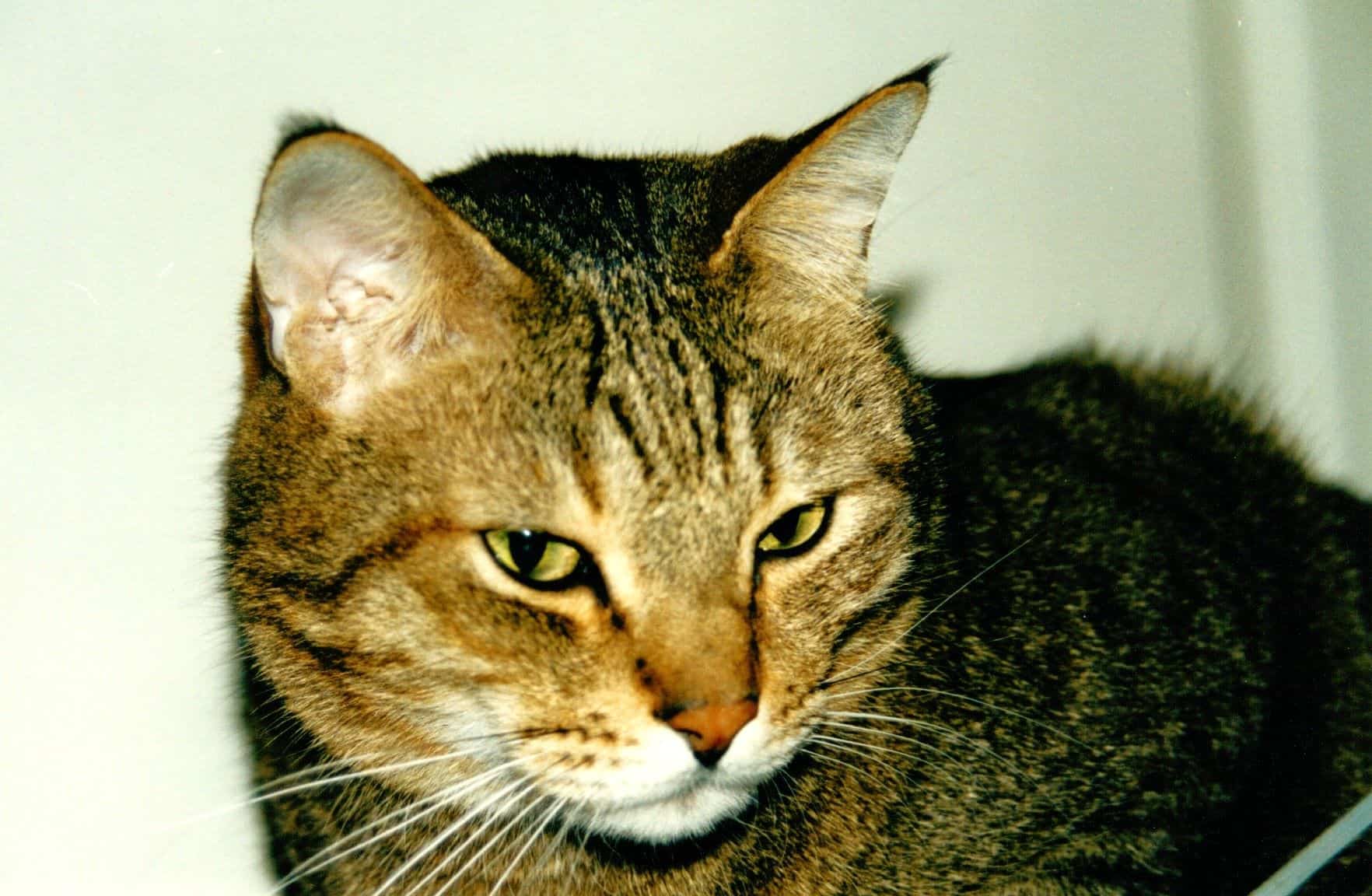
When we first brought home our big tabby, George, his fear was unmistakable. He spent his first days cowering in the bathroom, facing the wall. It broke our hearts—but we gave him time and space, and slowly, he began to trust us. His sister Loulou was the total opposite. She was exploring within hours, proving that no two cats respond the same way.
Some cats take days to adjust. Others need weeks—or even months. It’s not about rushing the process—it’s about supporting them through it.
Why New Spaces Feel So Overwhelming
Even things that seem minor to us—like the smell of new furniture, fresh paint, or unfamiliar noises—can trigger major stress for a cat.
Take our senior girl, Millie. After a long journey home from the shelter, she made a beeline for the space behind the bathtub and stayed there for days. It was her way of saying, “I’m not ready yet.” And that was okay. Eventually, she tiptoed out and claimed her new territory with quiet confidence.
Helping your cat adjust can be as simple as starting with one room and letting them explore gradually. A cozy hideaway with blankets, a few familiar toys, and no pressure can go a long way.
How to Spot Stress in a Newly Adopted Cat
Cats don’t always express stress in obvious ways—but if you know what to look for, the signs are there.
Some of the most common signals include:
- Loss of appetite or changes in eating habits
- Hiding or avoiding interaction
- Overgrooming or stopping grooming entirely
- Flattened ears, hunched posture, or twitchy tails
- Increased meowing or sudden silence
George barely touched his food when he first arrived, and it took a few tries (and several different brands) to find something that felt “safe” enough for him to eat.
The more you tune into your cat’s body language, the easier it becomes to tell when they’re uncomfortable—and when they’re starting to feel at home.
Why Cats Are Rehomed—and the Struggles They Face
Cats end up being rehomed for all sorts of reasons—sometimes because of allergies, family changes, or even basic behavioral challenges like scratching or litter box issues (which are usually an easy fix).
Regardless of the reason, the emotional toll on the cat is the same. They’ve lost not just a home, but the people and routines that made them feel secure.
If you’re bringing a rehomed cat into a house with other animals, go slow. Introductions should be gradual and carefully managed so everyone can adjust on their own terms. Creating harmony takes time and patience—but it’s absolutely possible with the right approach.
The Emotional Impact of Being Rehomed
For many cats, rehoming doesn’t just mean a new house—it means a kind of grief. They’ve lost the emotional connection to their previous family, and it can feel like mourning.
The best way to rebuild that bond? Let your cat take the lead. Don’t rush cuddles or force interactions. Just be nearby. Let them know you’re there—quietly, consistently, and kindly.
Eventually, those small moments, like a slow blink or a nudge against your hand, will turn into a deep, trusting relationship. And it’s worth every ounce of patience.
Can Cats Feel Lonely After Being Rehomed?
Absolutely. Especially if your cat came from a busy home or lived with other animals, the sudden quiet of a new space can feel isolating.
If your cat seems withdrawn or low-energy, try gently engaging her. Playtime, soft talk, or even just sitting nearby can offer comfort. Your steady presence matters more than you think.
Over time, that lonely, uncertain cat will start to relax and maybe even seek you out for companionship. That’s when you know the trust is growing and she’s starting to feel safe again.
Curious to learn more? Explore an in-depth version of this article here:
