
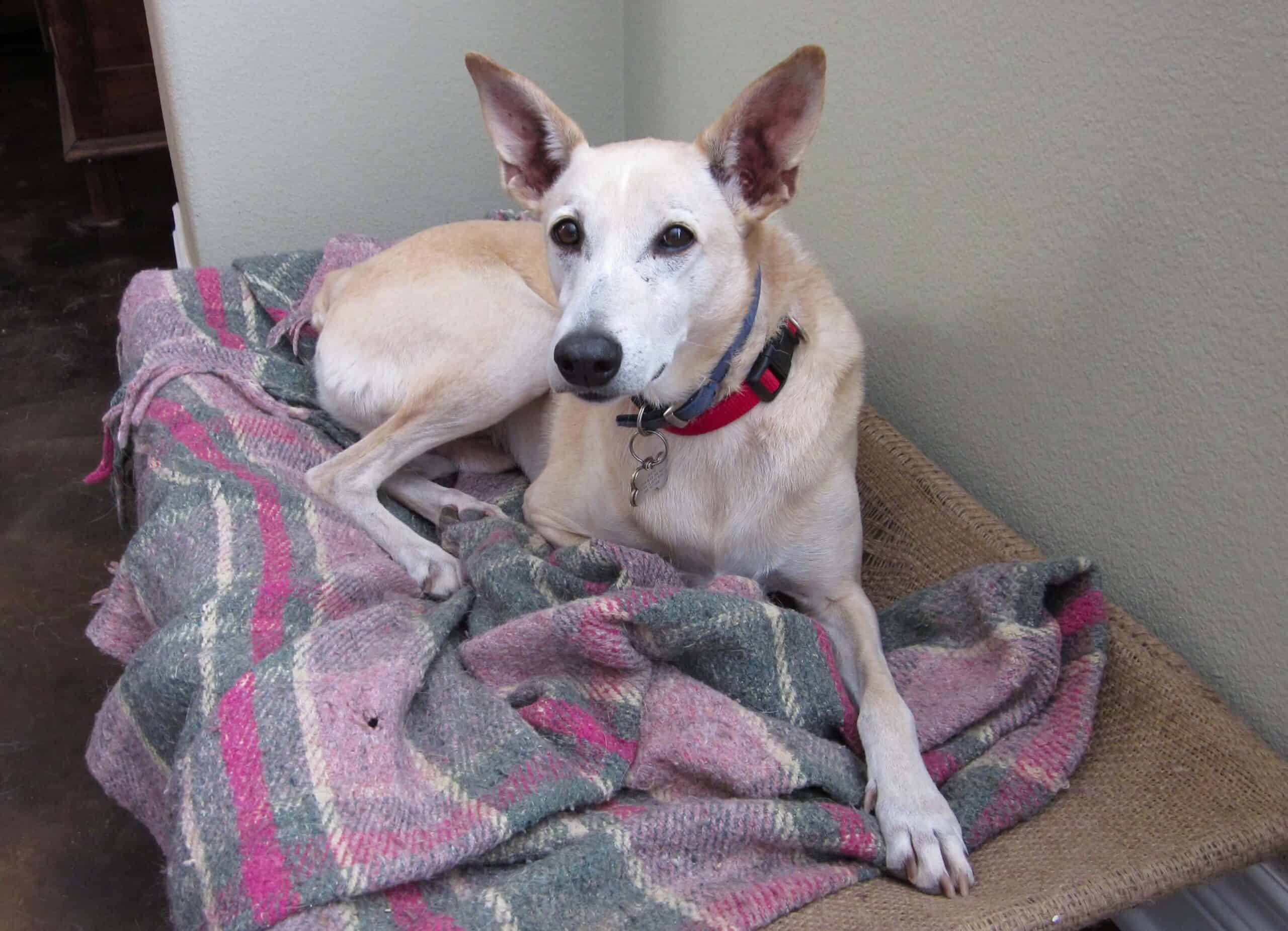
Settling In: What Your Rescue Dog Needs Most After Coming Home

Imagine waking up in a strange place, surrounded by unfamiliar smells, people you don’t know, and no idea what’s going to happen next. Sounds overwhelming, right? That’s exactly what a newly rehomed rescue dog experiences.
Adopting a rescue dog is a beautiful, life-changing journey—but for your new companion, it can be confusing, scary, and even traumatic at first. He may come with baggage from neglect, fear, or simply the stress of so much change. In this emotional rollercoaster, your compassion, patience, and understanding can make all the difference.
Step One: Understanding a Rescue Dog’s Emotions
Picture being suddenly uprooted and no way to ask questions or express how you feel. That’s what rehoming can feel like for many rescue dogs. Even in the best of homes, the first few days or weeks can be filled with a mix of anxiety, fear, and confusion. Some dogs might have endured trauma, neglect, or simply too many transitions, and all of that shapes how they respond now.
You might find your dog hiding, pacing, refusing food, or freezing up when touched. Others may surprise you by adapting quickly, as if they’ve always belonged. Either way, their behavior is driven by deep emotions—and understanding that is the first step toward helping them heal.
Recognizing Stress: What Their Body Language Is Telling You
Dogs may not speak our language, but they’re constantly communicating. Their body language is the clearest window into what they’re feeling. Does your dog yawn a lot when he’s not tired? Avoid eye contact? Bark or whine unexpectedly? These are all ways your dog might be saying, “I’m not sure about this yet.”
Here are a few signals to watch for:
- Tense facial muscles
- Ears pinned back
- Tucked tail or low posture
- Lip licking, yawning, or drooling
- Hyperactivity or sudden barking
These aren’t signs of ‘disobedience’—they’re signs of stress. Recognizing them allows you to meet your dog where he is and give him the calm, predictable environment he needs to feel secure.
Real Stories: From Fearful to Fearless
Let me introduce you to some of my rescue dogs and the behaviors we encountered in the early days:
- Florence stayed curled up in her safe room for four whole weeks before she dared to explore the house.
- Louis was so unsure at first he’d snap at my hand, even drawing blood.
- Maggie panicked anytime she was left alone.
- Esme was so stressed she couldn’t stop bouncing around, unable to settle.
- Roxy barked at her own reflection because she had no experience of being in a home and had no idea what anything was.
- Bertie, lovable as he was, responded to stress by marking his territory inside the house. Eek!
Each of these amazing dogs had their quirks, fears, and emotional baggage—but each one also had the ability to grow, trust, and thrive. All it took was time, structure, some kind training, and a willingness to see life from their perspective.
Setting the Foundation: Creating a Safe Space
Those first few days at home can feel overwhelming for your rescue dog—everything is new, strange, and uncertain. That’s why creating a dedicated safe space is so important. This isn’t just a physical corner of your home; it’s a refuge where they can decompress, observe from a distance, and simply breathe.
Set up a cozy area with a soft bed, a few high-value chews or toys, and a water bowl. Keep it quiet and tucked away from heavy foot traffic or busy areas. Let this space be entirely theirs—with no expectations.
Beyond the physical setup, routine is everything. Meals, walks, playtime, and rest scheduled at the same times each day provide an anchor. Every predictable event becomes a deposit in the emotional “trust bank”—a cue that life is safe and stable now.
Give your dog the freedom to explore or retreat. No pressure. Let him set the pace for interactions, and always offer the option to withdraw if he wants to. You’d be amazed at how powerful something as simple as consistency and quiet can be in building trust.
Patience and Trust: Your Keys to Success
The most powerful tool you have right now isn’t a leash or a training treat—it’s patience. You’re not just offering your dog a new home; you’re asking him to trust again. That’s a huge ask, especially for dogs who may have faced trauma, neglect, or multiple transitions.
Some dogs settle in within days. Others, like our Bertie, take more time—he started out by marking every surface in sight. But with gentle guidance and a clear routine, he learned that he was safe and there was no need to mark his territory to make himself feel more secure. The behavior faded quickly and naturally. You may have a dog that hesitates to go outside or flinches when touched. That’s okay too. Be low-key and patient, and let her move at her own pace. In the meantime, celebrate the small wins, lower your expectations, and be willing to adapt your approach. Trust doesn’t form overnight.
A New Identity: Changing Your Dog’s Name
For a rescue dog, a new name can mean a new beginning. It’s a small change that can symbolize something much bigger: a fresh start, free from old fears or painful associations.
If you’ve chosen a new name, introduce it gently. Sit with your dog in a calm space. Say her name softly, wait for her to look at you, and immediately reward with a delicious treat. She’ll soon learn her new name and begin to associate it with safety and trust.
Beyond the First Day: Watching for Physical and Emotional Shifts
Bringing your dog home is just the beginning. As the days pass, keep an eye on the little changes—they often say the most.
Does her coat start to shine more? Is her tail wagging with more confidence? Is she finally making eye contact or sleeping soundly through the night? These subtle shifts often reflect deep emotional progress.
Physical wellness and emotional healing often go hand in hand. But go slow. Resist the urge to rush walks, change food too quickly, or push too much interaction. Let her body and mind adjust in their own time. And when new behaviors emerge—whether delightful and challenging—see them for what they are: signs your dog is starting to trust you enough to truly be herself.
Curious to learn more? Explore an in-depth version of this article here:
