
This Common Cat Behavior Confuses Everyone (But It Actually Makes Sense)

If your sweet feline has ever transformed into a tiny ball of fury mid-cuddle, don’t worry—you’re not alone, and your cat isn’t being “aggressive.” What you’ve likely encountered is something called petting-induced aggression (aka “kitty love bites”).
While cats often enjoy petting—especially when it mimics the grooming they got from their mothers—it’s also a vulnerable experience. A cat may be enjoying herself one moment, then suddenly feel overstimulated or too exposed the next. That quick shift can lead to a bite, not out of anger, but as a way of saying, “That’s enough now.”
Veterinarian Dr. Terry Marie Curtis notes that this kind of behavior is common. In fact, aggression toward humans (including petting intolerance) is the second most reported behavioral issue in cats. So if you’ve been on the receiving end of a bite after a cuddle session, you’re in good company.
Why Do Cats Switch from Purring to Biting?
It’s not just random. Cats have smaller frontal lobes than dogs—this part of the brain helps regulate emotion. For cats, intense emotions like pleasure or discomfort can flip quickly. That’s why they can go from content to overstimulated in a heartbeat.
Think of your cat’s brain like an emotional fast lane: joy, fear, and irritation all racing past with very few stop signs.
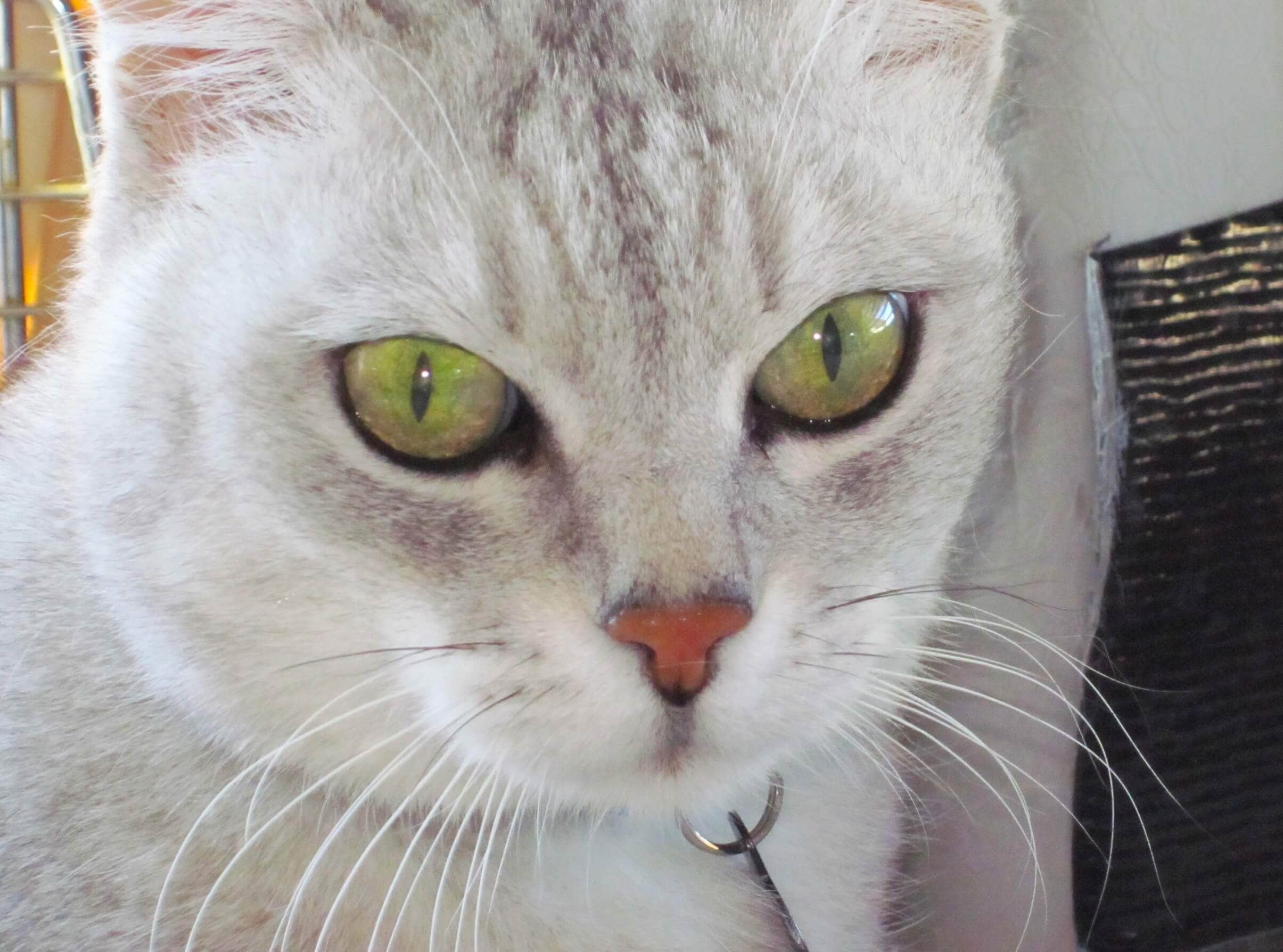
Some cats may also carry trauma or negative associations with humans, making them even more sensitive to touch. My own cat, Kasper, was attacked by a fox as a kitten and spent a lot of time at the vet early in life. While he’s loving and sweet, he’ll let you know fast when he’s had enough.
Since cats can’t tell us in words when something feels “off,” they use behavior to get their message across.
Learning Your Cat’s Petting Preferences
Every cat has their own “petting map”—and some zones are strictly off-limits.
Areas like the belly, paws, and base of the tail tend to be more sensitive. Most cats prefer gentle strokes along the back, or scratches on the head and under the chin – places where their scent glands are located.
Reading your cat’s body language is key. Flicking ears, a twitching tail, dilated pupils, or a sudden freeze can all mean your cat’s had enough. When you notice those signs, it’s time to pause.
My cats tend to prefer chin and forehead scratches, right in line with what the research says.
How to Handle a Sudden Bite
If your cat starts showing signs she’s overstimulated during petting, try not to pull away quickly—that can trigger a stronger reaction.
Instead, keep your hand still, look away, and wait a few seconds. Then slowly and calmly move your hand back. Give her space, and don’t take it personally.
Once she’s settled down, redirect her energy with a toy or treat. And as a general rule, let your cat come to you for affection. If she’s not in the mood, respect that.
Set Up a Cat-Friendly Environment
If your cat is getting nippy because she’s craving attention and stimulation, make sure her environment gives her options.
High perches, cozy hideouts, scratching posts, and interactive toys can keep your cat mentally and physically engaged, especially when you’re not available to entertain her.
Sprinkle in some catnip or food puzzles to add variety. A well-enriched space helps reduce frustration and encourages more relaxed behavior.
Building a Stronger Bond through Trust
Cats are all about boundaries, and when you respect those boundaries, you build trust.
Avoid punishing or scolding your cat for biting. Instead, see it as communication. Learn from it. Every interaction is a chance to better understand your cat and grow your bond.
With time and patience, you’ll find a rhythm that works for both of you, where trust and mutual understanding guide your connection.
Curious to learn more? Explore an in-depth version of this article here:
