
Can Dogs Feel Guilt—or Are We Just Projecting?

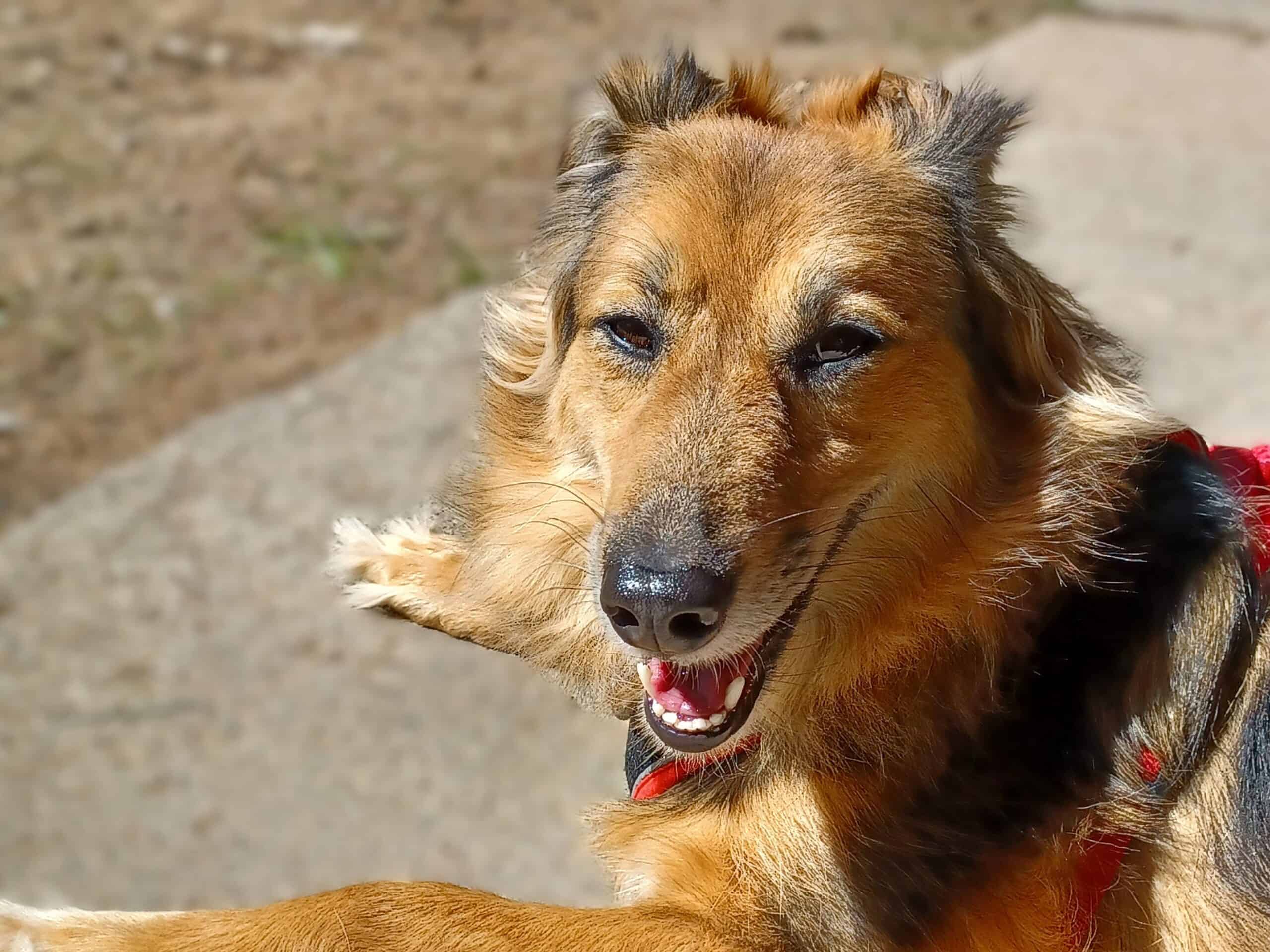
As dog owners, we’ve all seen it—that unmistakable “guilty look.” Your pup slinks away with a tucked tail, avoids your gaze, or lowers their head just after you’ve discovered the chewed shoe or raided trash can. It feels like he knows he’s done something “wrong,” almost as if he’s apologizing. But is he really feeling guilt, or are we simply interpreting our dogs’ body language through a human lens?
Why the “Guilty Look” May Not Mean Guilt At All
Anthropomorphism is our natural tendency to attribute human traits, emotions, or intentions to non-human beings (like dogs). When we catch our dogs looking shamefaced, it’s easy to think, “Aww, he looks so guilty. He knows he did something wrong!” But guilt is a complex human emotion, and dogs experience the world rather differently.
Common “Guilty” Behaviors in Dogs
Some of the behaviors we typically associate with guilt in dogs include:
- Lowered head and ears
- Tucked tail
- Averted gaze or avoiding eye contact
- Cowering or slinking away
- Licking lips or yawning (signs of stress)
- Raised front paw
But here’s the thing: these same behaviors can also be seen in dogs who haven’t done anything “wrong” at all.
Unmasking the Guilty Look in Dogs
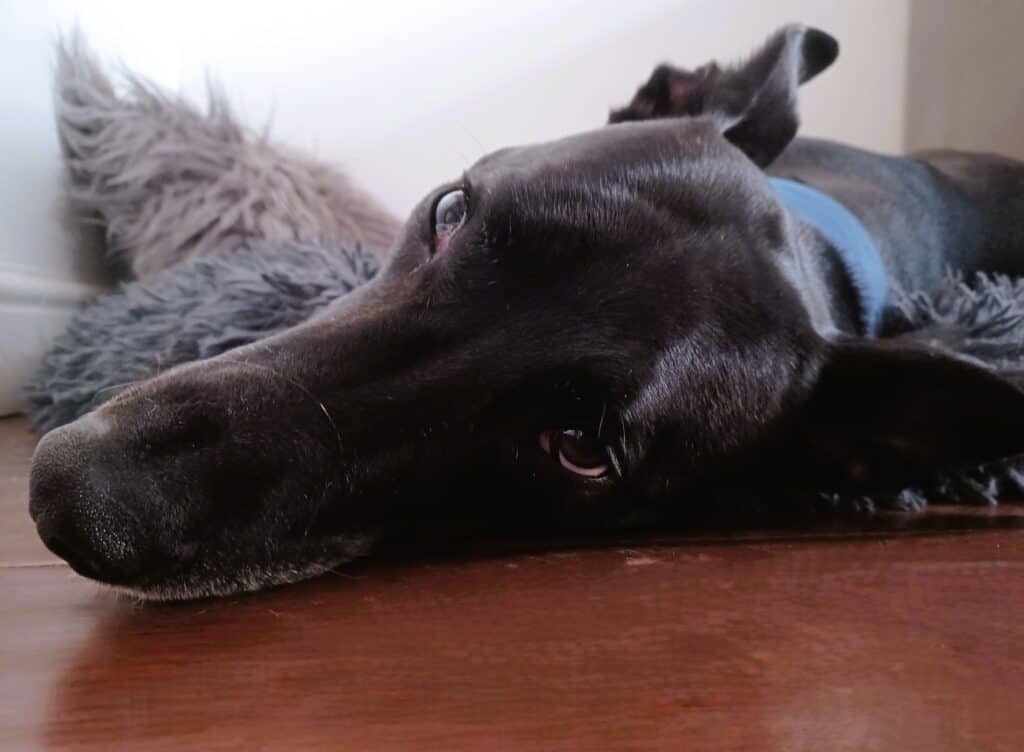
A groundbreaking study by dog cognition expert, Dr. Alexandra Horowitz, found that dogs were more likely to display “guilty” behaviors when their owners believed they had misbehaved, regardless of whether they actually had or not. This suggests that what we see as guilt might actually be a response to our own body language, tone of voice, and emotions, rather than a true understanding of wrongdoing on the dog’s part.
How Science Put Dog Guilt to the Test
In the study, Dr. Horowitz set up a series of scenarios to observe how dogs reacted when their owners thought they had done something wrong. The study involved 14 dogs and their owners, each participating in a set of trials.
In some trials, the owners were instructed to leave the room after telling their dogs not to eat a treat. While the owner was gone, the researcher either gave the treat to the dog or removed it. When the owners returned, they were told whether their dog had eaten the treat or not, regardless of what had actually happened.
The results were striking:
- Dogs displayed more “guilty” behaviors when their owners scolded them, regardless of whether they had actually consumed the treat or not.
- In other words, the dogs’ behavior was more closely linked to their owners’ actions and beliefs than to their own actions.
Horowitz’s research raises doubts about whether the “guilty look” truly reflects a dog’s awareness of wrongdoing.
When Owner Perception Shapes the “Guilty Look”
A later study, by Hecht and colleagues, explored the other side of the equation: the owner’s role in interpreting these behaviors. They set out to test whether the “guilty look” really signals wrongdoing, or if it’s more about how owners interpret their dogs’ behavior. They approached this from two angles: a questionnaire for dog owners, and an experiment designed to test the link between misbehavior and greeting behaviors.
The questionnaire revealed that most owners firmly believe their dogs know when they’ve done something wrong. Not only that, but many said they scold their dogs less harshly when those familiar “guilty” signals are on display. In other words, owners often treat these behaviors as proof of guilt, which directly influences how they respond.
The experiment, however, painted a more complicated picture. Dogs were given the chance to break a rule while their owners were out of the room. When the owners returned, the researchers studied whether the dogs that had misbehaved showed more “guilty” behaviors than those that hadn’t, and whether owners could correctly guess what their dogs had done. There’s what they found:
- Dogs that misbehaved were no more likely to show “guilty” behaviors than obedient dogs.
- At the individual level, some dogs that transgressed did show these behaviors more often.
- Owners who judged their dogs solely on greeting behavior were no better than chance at detecting rule-breaking.
- Many owners reported scolding less when dogs looked “guilty,” regardless of what had actually happened.
Reading Dog Behavior Beyond Guilt
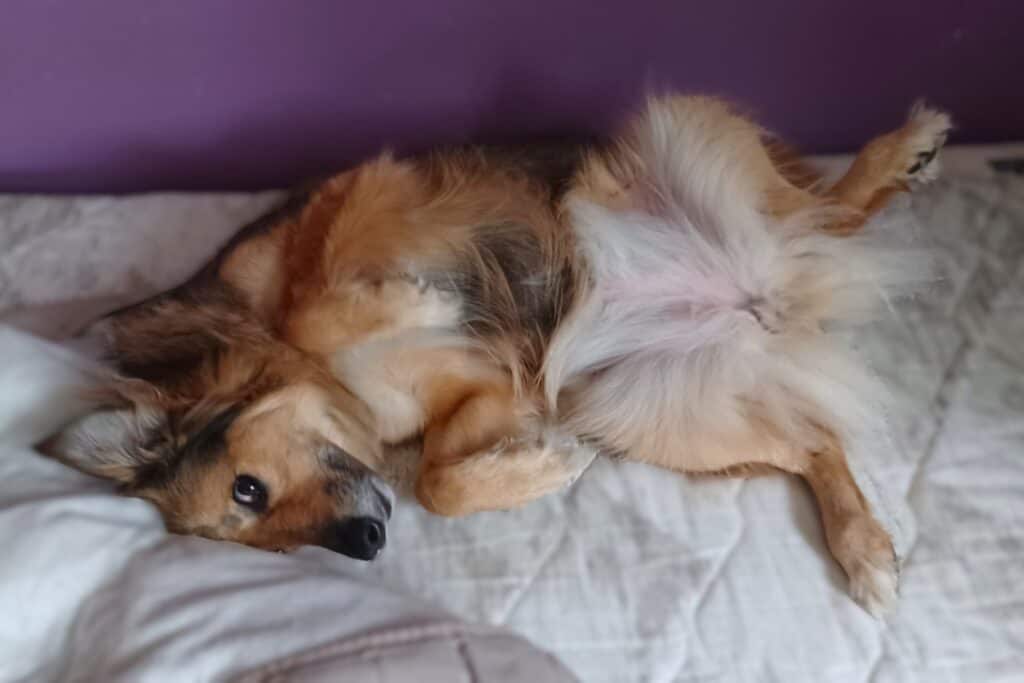
This all has significant implications for how we interpret dog behavior. Taken together, these findings suggest the “guilty look” is far from reliable as evidence of misbehavior. Instead, it’s more likely an appeasement strategy or stress response, something dogs use to manage our reactions, not to confess wrongdoing. The research also highlights just how much owners’ expectations and prior experiences shape their interpretations of canine behavior.
None of this means our dogs are intentionally trying to deceive us. However, it does suggest that we need to be cautious about interpreting their behavior through a human lens and assuming that they experience guilt in the same way we do.
As Dr. Horowitz puts it, “The ‘guilty look’ would be better called the ‘submissive look’ – a response to the owner’s behavior, not necessarily indicative of any appreciation of its own misdeeds.” So, the next time you catch your dog in the act of misbehaving and see that “guilty” look, remember that there may be more to the story than meets the eye.
Canine Appeasement Signals
Dogs use appeasement behaviors to keep social interactions calm and to ease tension when they sense a situation could turn unfriendly. These signals are a non-aggressive way to prevent conflict. When a dog shows appeasement behaviors, it’s his way of saying he feels uncertain or a bit nervous. Unfortunately, appeasement behaviors are often misinterpreted by owners.
Here are some examples:
- Passive Appeasement looks more like “submission”: The dog may hunch or lie on their back with ears flat, tail tucked, and sometimes even urinate slightly, signals meant to defuse tension.
- Active Appeasement is often mistaken for friendliness or pushiness: The dog approaches with loose, wiggly body language, rear-end wagging in a “U” shape, and may try to jump up or get close to the person’s face.
Both are ways dogs attempt to calm a situation, rather than signs of guilt, excitement, or any outdated notion of “dominance.”
Alternative Explanations for the “Guilty Look”
To understand the “guilty look,” we need to explore what else might be driving it—emotions and behaviors rooted in survival, not shame.
Fear and Stress Responses in Dogs
When a dog is scolded or punished, they may display fearful behaviors like cowering, avoiding eye contact, or tucking their tail. These behaviors are designed to appease the “aggressor” (in this case, the owner) and reduce the likelihood of further punishment.
Think about it this way: if you’ve ever been in trouble with a boss or parent, you might have found yourself looking down, fidgeting, or apologizing profusely. These behaviors aren’t necessarily an admission of guilt; they’re a way to diffuse tension and show submission in the face of perceived anger or disapproval.
The same could be true for our dogs. When they display the “guilty look,” they may be picking up on our anger or frustration and responding in a way that they hope will calm us down. It’s not so much about understanding what they did wrong as it is about trying to manage our reaction.
Learned Appeasement Behaviors
Dogs are incredibly attuned to human body language and emotions, and they quickly learn which behaviors are likely to earn them praise, treats, or affection.
If a dog has been scolded or punished in the past for a particular action, he may learn to display submissive or appeasing behaviors whenever he’s in a similar situation. This is because he’s learned these behaviors can help him avoid punishment and regain his owner’s “approval.”
For example, let’s say your dog once chewed up a shoe and was scolded harshly for it. The next time you come home and find a chewed-up shoe, your dog may immediately start displaying the “guilty look,” even if it was one of your other dogs who chewed the shoe this time. He’s learned that this behavior can help him avoid being reprimanded, even if he doesn’t fully understand why.
Dogs don’t share our moral sense of right and wrong. Instead, they learn through associations, by connecting certain behaviors with either positive or negative outcomes. That familiar “guilty look” is less about confessing and more about maintaining harmony in the relationship.
As canine behavior expert Dr. Patricia McConnell explains, “It is wrong to say that dogs are saying ‘I’m wrong’ when they are being appeasing.”

The Trouble With Defining Guilt
Guilt is a complex emotion that requires a certain level of cognitive sophistication. It involves understanding the consequences of one’s actions, feeling remorse for those actions, and desiring to make amends. The question is, do dogs possess the cognitive abilities necessary to do this?
Why Guilt Demands Complex Thinking
To experience guilt, an individual must have a sense of self-awareness and an understanding of how their actions impact others. They must be able to reflect on their past behavior, evaluate it against a set of moral standards, and feel a sense of responsibility for the consequences of their actions.
In humans, this cognitive process develops over time as we learn social norms and moral codes. We internalize these standards and use them to guide our behavior, feeling guilty when we violate them.
But what about dogs? While they certainly have emotional capacities and can form strong bonds with their human companions, it’s less clear whether they have the cognitive sophistication required for guilt.
Dogs live primarily in the present moment, and their understanding of cause and effect is limited. They may learn associations between actions and consequences (e.g., “if I chew on the shoe, I get told off”), but this doesn’t necessarily mean they feel guilty for their actions.
The Problem with Measuring Canine Guilt
The challenge in determining whether dogs feel guilt lies in the fact that we can’t ask them directly. We have to rely on observations of their behavior and make inferences based on our own human experiences.
However, as we’ve seen with the “guilty look,” these inferences can be misleading. Moreover, guilt is a private, internal experience. Even in humans, it’s not always easy to tell when someone feels guilty. They may express remorse or apologize, but these outward behaviors don’t necessarily reflect their inner emotional state.
In dogs, it’s even more difficult to discern the presence of guilt. We can’t ask them how they feel or what they’re thinking, and their behavioral cues can be ambiguous.
All of this means we must tread carefully—what looks like guilt may simply be our own projection onto behaviors that serve a very different purpose for dogs.
References
- Behavioral Assessment and Owner Perceptions of Behaviors Associated with Guilt in Dogs – Julie Hecht, Ádám Miklósi, & Márta Gácsi
- Disambiguating the “Guilty Look”: Salient Prompts to a Familiar Dog Behaviour – Dr. Alexandra Horowitz
- Sorry to Say (Dogs and Guilt, Revisited) – Dr. Patricia McConnell
