
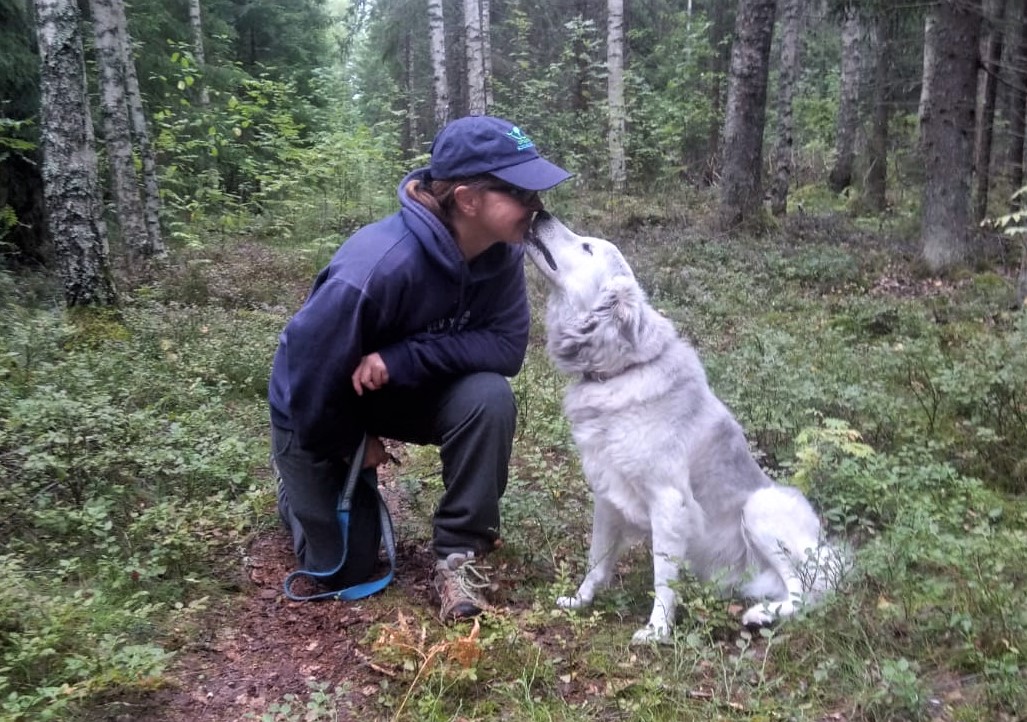
I’m Not a Dog Trainer. Here’s Why

I didn’t start out as an animal behavior professional. I started out as a business journalist.
My path in began with a problem I couldn’t solve: one of my own cats started urinating outside her litter box, everywhere except where she was supposed to. I later learned it was an undiagnosed medical condition, but before I got there, I was every bit as lost and desperate as the rescue parents I work with today. I was my own first customer.
Why I Do Things Differently
Dogs weren’t even my area at first, cats were. But I was lucky. The tutors who trained me already knew the “alpha dog” and “pack leader” model was nonsense, built on a flawed 1960s study of captive wolves, long since discredited, even though (sadly) it still shapes how many trainers and owners treat dogs today. Thanks to my teachers, I started from the science.
Since then, I’ve worked hands-on with fearful, traumatized animals across three continents. Three years in a dog shelter with hundreds of shy, shut-down dogs. Hundreds of client consults. Twenty-seven rescues of my own, seventeen cats, ten dogs, most of them terrified when they first arrived.
I’ve watched a dog too scared to leave a car eventually choose to lie beside me on the couch. I’ve watched a cat who hid behind the bath for days slowly learn the rest of the house was safe too.
None of it happened through outdated concepts of obedience or correction. It happened by addressing what these animals were actually feeling.
Why This Matters So Much
Here’s what troubles me most: too many rescue dogs are returned, or worse, euthanized, for behavior that was never their fault. They were scared and stressed, and nobody around them had what they needed to help. Sometimes it’s a knowledge gap. Just as often, it’s that shelters are stretched so thin, the easy dogs get priority, and the scared, complicated ones get overlooked.
I’m not a trainer. My goal has never been to teach a dog to sit. It’s to help owners truly understand their animals, and stay the distance until they make it. My clients used to tell me I was like Supernanny, and I loved that. It meant the tools I’d given them actually meant something, that real, lasting change was possible in their own home.
The Resource I Wish Every Rescue Dog Parent Had
That’s exactly why I’ve been building something: The Rescue Dog Decompression Roadmap, a 4-week program for rescue dog parents who’ve tried everything they’ve been told, and are still watching their dog struggle.
I’m opening it first to a small Priority List before it’s available to anyone else, and you’re invited!
If you’ve got a fearful, hypervigilant, or shut-down rescue dog (or know someone who does), this is for you. Or even if you just want to help your dog feel calmer and more confident, this is for you too.
Go take a look—there’s no obligation, just all the information you need to decide if it’s right for you. I hope to see you there!
